
Cash Flow Leak: The "I'll Pay You Later" Line That's Bleeding Your Business Dry
Do you run a dispatch business in Lagos? Do you still collect payment on trust? Things like "send it after," "bike man go settle you," or "invoice will reach you"? If yes, at least half of your unpaid jobs this month are happening for that exact reason.
You are not careless. You are not bad at managing your riders. Your payment system is just too casual for how big your business has grown. When you have eleven riders and forty jobs a week, "I'll pay you later" is a small loss you can carry. But when your business grows bigger, in year two or three, that same habit costs you ₦100,000 to ₦300,000 every month.
Nobody stole it. Nobody lost it. It just never moved from "delivered" to "paid." By the time you finish this, you will see exactly where that money is leaking out of your business. And you will know what it takes to make "later" stop being an option.
Keep reading if you manage dispatch riders in Lagos. Keep reading if you run courier services in Lagos. Keep reading if you run your delivery business through WhatsApp. This is about the small losses that feel harmless on Monday, and turn into a real cash-flow problem by the end of the month.
The Sunday Night That Showed Tunde The Leak
Tunde’s dispatch yard in Surulere was not fancy. A few motorcycles stood outside. Riders came and went. His phone was always busy. He had built the operation through relationships. A vendor would call. Tunde would find a rider. They would agree on a price. The rider would deliver. Someone would send a transfer screenshot later.
That was the system. At least, that was what Tunde called it. One Sunday night, he sat at his desk with a small stack of invoices in his wallet. The weekend had been busy. Jobs had moved from Ikeja to Lekki, Yaba to Victoria Island, and Computer Village to different parts of Lagos.
Then one rider called about a Lekki delivery. The vendor said the delivery fee had not been paid. The rider said the vendor had promised to settle it later. Tunde opened WhatsApp. There were voice notes. Missed calls. A message that said, “Please help me handle this one.” Another said, “We will sort it out.”
Nothing clearly showed who owed what. So Tunde did what operators often do. He absorbed the problem. He promised the rider that he would check with the vendor. He told the vendor to send the money when convenient. Then he moved to the next issue. The invoice went back into his wallet. That was the week Tunde finally saw the leak.

Why “I’ll Pay You Later” Is So Dangerous
The phrase sounds harmless. It is not. When payment is agreed through a voice note or a quick phone call, the job has no firm financial finish line. The rider may believe the vendor owes the money. The vendor may believe the customer is responsible. The customer may believe delivery was already included in the product price. Three people can leave the same delivery with three different understandings. And you are left in the middle.
The debt does not land on the rider. It lands on the operator who still has to keep the fleet moving. Fuel must be paid for. Riders need their daily balance. Motorcycles need repairs. Staff still expect their wages. Your bills do not accept, “The vendor will pay later.” One delayed payment may be manageable. A culture of delayed payment quietly turns your working capital into somebody else’s convenience.
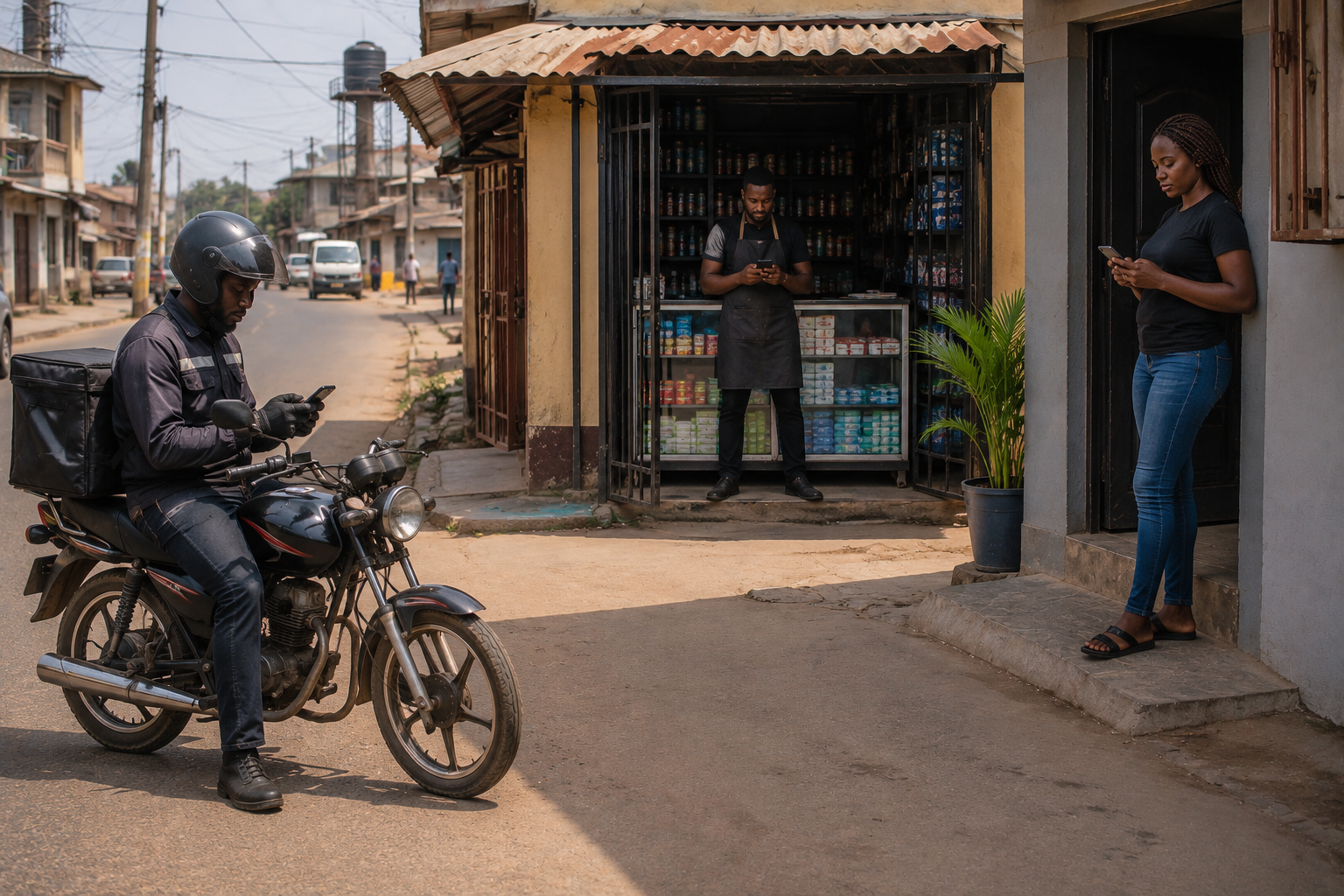
The Hidden Margin Drain
Most operators notice major losses. A missing phone. A damaged laptop. A rider who disappears. But the smaller losses are often harder to see. You reduce the delivery fee to end an argument. You pay for a second attempt because nobody recorded why the first one failed. You accept a lower amount because the agreed price was buried in a long chat.
You spend time calling three people to confirm whether a job was paid. Each event feels too small to fight over. That is exactly why it survives.
A simple illustration
Suppose you absorb ₦1,000 on five disputed jobs in one week. That is ₦5,000 gone. If the same pattern continues for four weeks, the total becomes ₦20,000. That is before fuel, return trips, phone calls, maintenance, or the value of your own time. The number is not dramatic enough to stop the operation. It is still real money. The same thing happens with time.
If six payment disputes take ten minutes each, you have spent an hour resolving problems that a clear job record could have answered. Do that repeatedly, and your day becomes administration instead of operations. This is why revenue can look healthy on paper while cash remains tight. Your job list says “delivered.” Your bank account says “still waiting.” Revenue you cannot collect is not protecting your business. It is creating pressure inside it.
The wider Nigerian logistics sector already operates under heavy cost pressures, including infrastructure and operational challenges identified in the U.S. Commercial Service’s Nigeria logistics sector guide. You do not need to add avoidable payment confusion to the list.
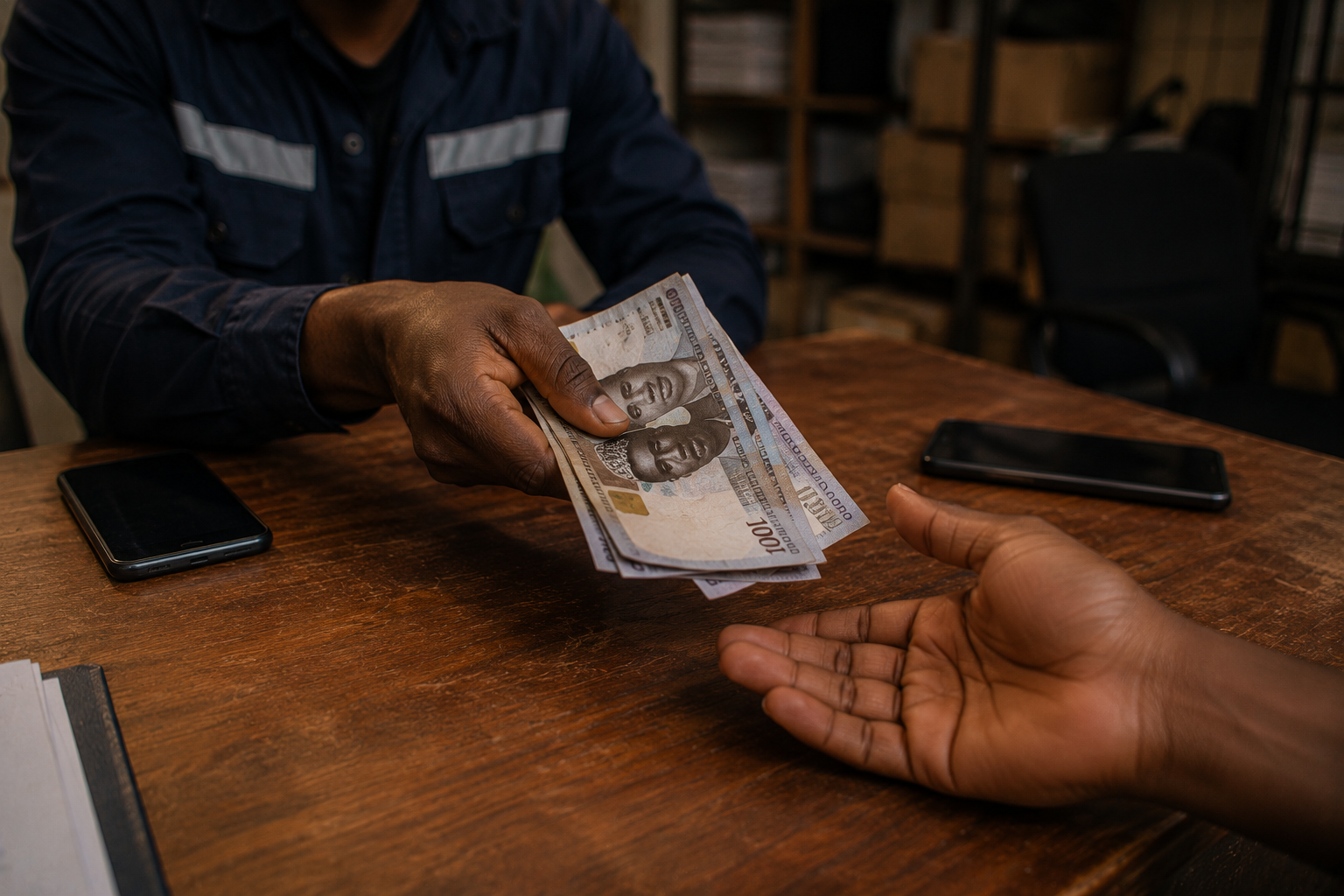
What Structured Job Management Fixes Automatically
Structured job management does not make every customer perfect. It removes the confusion that allows payment problems to grow.
1. The price is agreed before pickup
The delivery request contains the pickup point, drop-off point, package details, and proposed fee. The carrier can accept, counter, or decline. Once both sides agree, the price is clear. There is no “I thought it was another amount” at the door. There is no rider leaving with a valuable parcel while the fee is still being negotiated.
2. The job has one clear record
A structured job keeps the key details in one place. You do not have to search through old voice notes. You do not have to rely on memory. You do not have to settle the argument based on who sounds more confident. The record shows what was agreed and what happened.
3. Completion is supported by delivery proof
A delivery should not close because somebody typed “done” in a chat. Go SendAm supports proof of delivery through a photo at handoff, recipient OTP confirmation, and a permanent timestamped record. That gives you a clear trail from pickup to drop-off. When a customer says, “I did not receive it,” you have facts to review. When a vendor asks, “When was this completed?” you have a record. When a rider says, “I delivered it,” the claim is tied to proof.

The Ripple Effect on Your Fleet
Payment confusion does not stay between you and one vendor. It spreads. Riders become frustrated when they complete jobs but wait for settlement. Managers become tired of chasing payments. Vendors lose confidence when fees change after pickup. Customers see the confusion and begin asking questions about the whole operation.
This is especially dangerous when you handle valuable items. A phone repair shop in Computer Village needs more than a rider who can move quickly. It needs a computer village delivery service with a clear accountability process. A fashion seller needs more than a random bike number. They need a safe way to send garments across Lagos.
A pharma distributor needs a record that shows what was picked up, where it went, and when it was received. That is the difference between ordinary movement and secure shipping in Nigeria. A fleet can have many riders and still have weak control. More riders will not fix a broken payment process. A better process will.

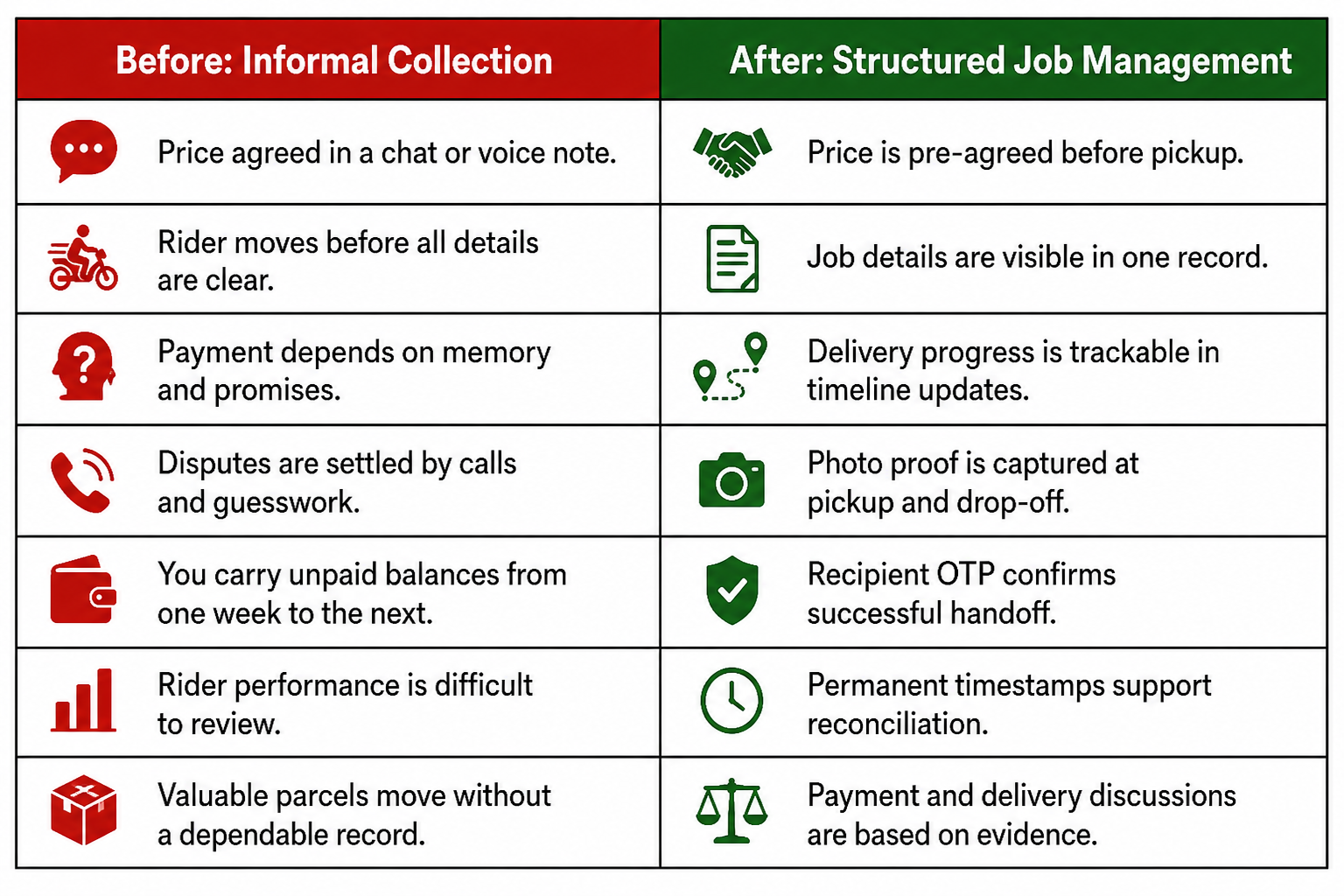
Before and After Go SendAm: The Operator’s Reality
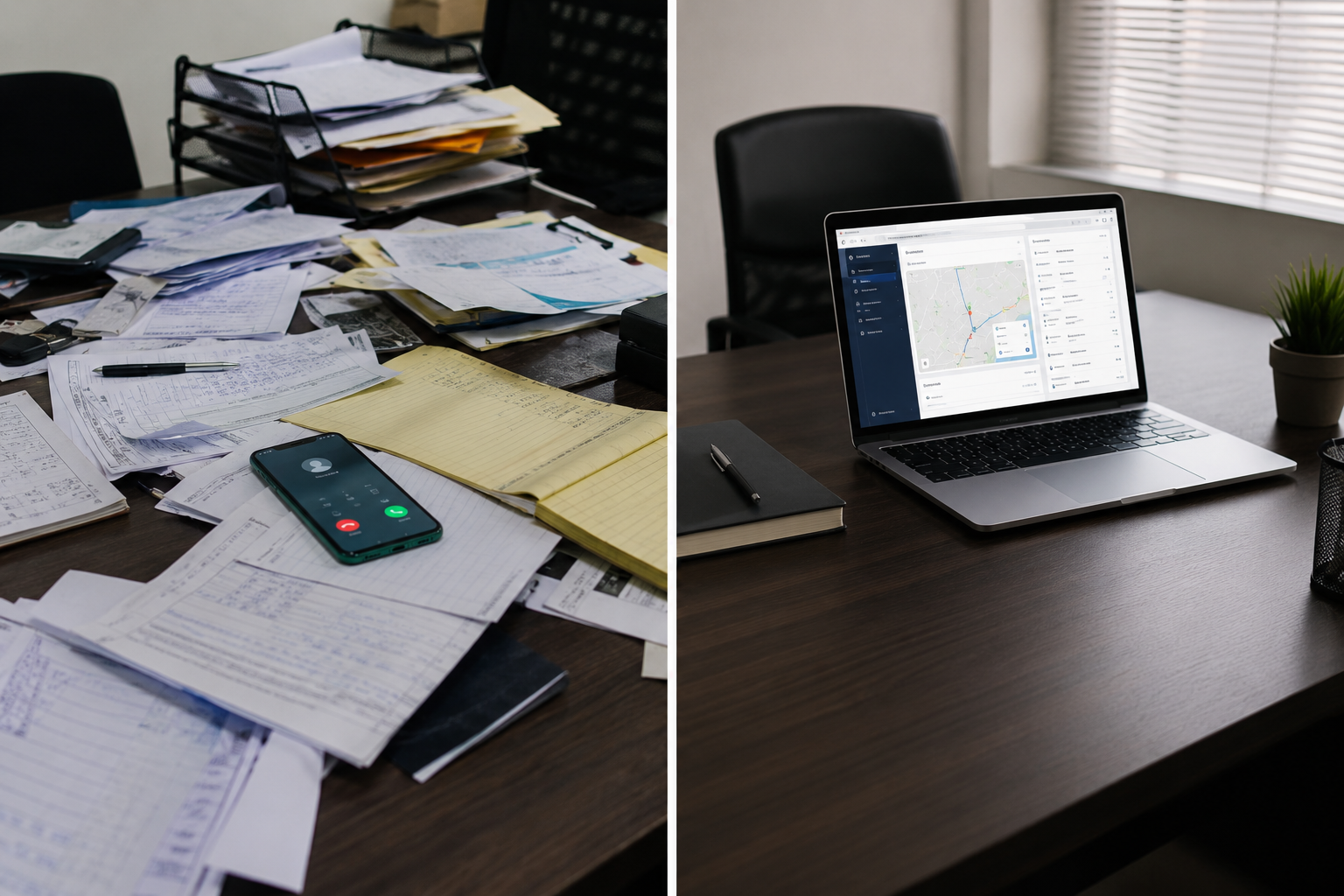
Go SendAm as the Fix for Operators
Go SendAm connects Lagos vendors and everyday sellers with verified dispatch companies that can handle same-day deliveries. We do not own the riders. We vet the dispatch companies on the platform against CAC, NIN, physical office address, and delivery history. That means a rider is connected to a verified carrier with an accountability trail behind the job.
For operators, the value is structure. The price is agreed before pickup. The job details are clear. The vendor and customer can track the delivery in timeline updates. Photo proof supports the handoff. OTP confirmation closes the delivery. The completed job leaves a permanent timestamped record.
For vendors, Go SendAm is free to use. There is no sign-up fee or monthly plan for the vendor. The vendor pays the carrier’s agreed delivery fee. That makes Go SendAm useful for delivery for online vendors in Lagos, fashion sellers, repair shops, dry cleaners, Jiji sellers, pharma distributors, and anyone who needs a safe courier for electronics or other valuable products. If you run a logistics company in Lagos, your job is not only to move parcels. Your job is to protect the process around every parcel.

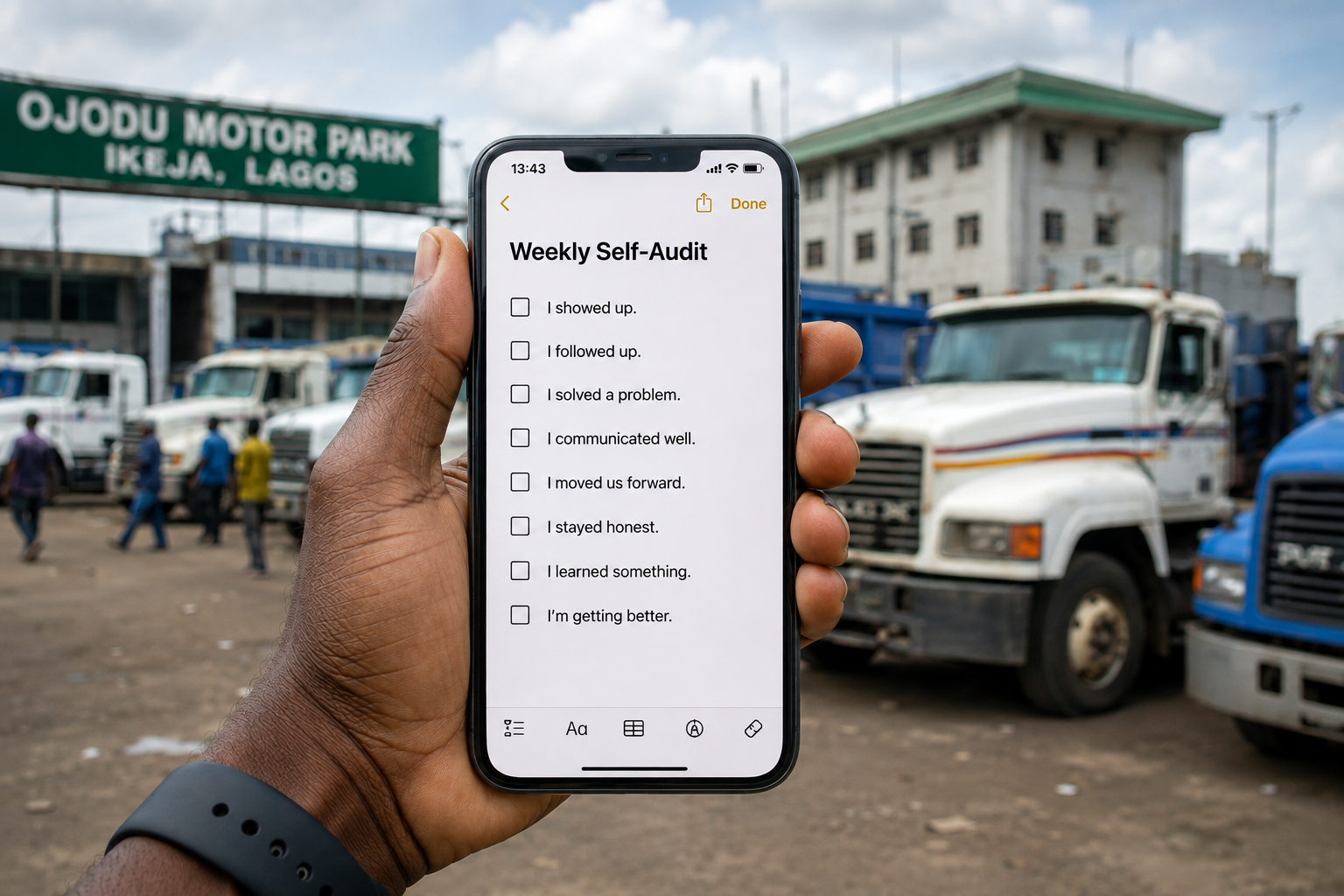
Quick Operator Takeaway Checklist
Use this audit for every completed job this week.
Is the agreed delivery price recorded in one place?
Can you identify the vendor, customer, rider, and carrier?
Do you know whether the job has been settled?
Is there photo proof from pickup or drop-off?
Did the recipient confirm delivery with an OTP?
Can both the vendor and customer track the delivery?
Can you find the completion timestamp without searching WhatsApp?
Can you explain every unpaid job and when it should be settled?
Can you review your rider’s delivery history from actual records?
Would another staff member understand the job without calling you?
If you answered “No” several times, your operation is carrying more risk than it needs to. The problem is not that you need more messages. The problem is that you need fewer loose ends.
For more practical guidance, read Customer Dispute Cycle: The One Habit That Ends It For Good and Delivery Trouble: How WhatsApp Kills Your Dispatch Operations In Lagos.
Start with Go SendAm.
