Safe Courier For Vendors: Why Random WhatsApp Riders Are Costing You Thousands Of Naira
If you sell valuable items on Instagram or WhatsApp and still coordinate deliveries through random group chats, at least half of these problems are already affecting your business. You are not disorganized. You are not bad at selling. Your shipping system is simply too small and informal for the valuable products you are trying to move.
WhatsApp helped you start. It helped you connect with buyers, confirm orders, and message riders quickly. But growth changes the game. Once your order volume increases and you are shipping phones, fashion pieces, skincare products, and gadgets across Lagos, chat threads become a dangerously weak place to run serious commerce.
WhatsApp is useful for chatting. It is not a secure delivery platform. That matters because Nigeria's logistics sector still faces visibility and infrastructure gaps, which makes clear delivery records and structured tracking even more important for businesses moving valuable goods.
And even outside Nigeria, dispatch technology experts warn that WhatsApp-style communication creates fragmented message trails, weak accountability, and poor load-specific records compared with purpose-built dispatch systems.
So when a rider disappears, delays, or denies what happened, the real problem is usually not one bad person. It is the weak system behind the handoff. By the end of this blog, you will see exactly how random WhatsApp riders quietly cost vendors thousands of Naira, and what to use instead if you want speed without blind risk.
Adaeze Thought She Was Saving Time
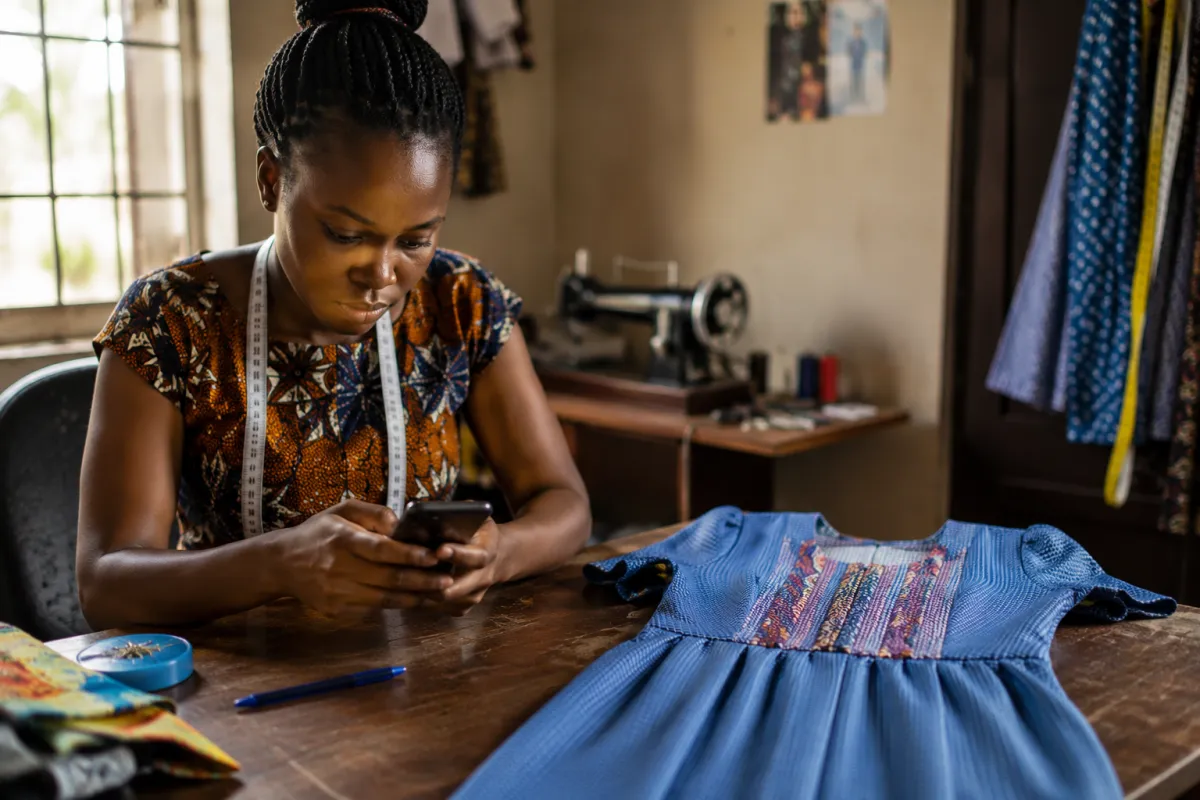
Adaeze sells dresses through Instagram and WhatsApp. Her customers know her for clean finishing, quick replies, and reliable delivery. One Friday afternoon, a bride in Lekki ordered a designer piece worth ₦85,000. The bride needed it before the weekend. Adaeze had the dress ready. The customer had paid.
The only thing left was delivery. Her regular dispatch rider was already handling other jobs. So Adaeze went to a WhatsApp dispatch group. A rider replied almost immediately. He sounded confident. He gave her a reasonable price and sent a picture of himself beside a motorcycle. Adaeze checked the profile. The name looked normal.
The voice note sounded friendly. She shared the pickup address, handed over the dress, and sent the customer the rider’s phone number. Problem solved. Or so she thought. A few hours later, the bride called. The rider had not arrived. Adaeze called him. No answer. She sent messages. One tick. She called again.
The phone was switched off. By Saturday morning, the bride was demanding a refund. Adaeze had no delivery record to show her. No live location. No pickup photo. No confirmed drop-off. No recipient OTP. No physical office to visit. Just a WhatsApp chat and a phone number that had gone silent. Adaeze refunded the bride.
Then she had to find money to replace the dress. The profit from the sale disappeared. Part of her savings disappeared too. But the hardest part was rebuilding the customer’s trust. She had not stolen the dress. She had not delayed the delivery on purpose. Still, from the customer’s point of view, Adaeze was the business responsible.
The Illusion of Convenience
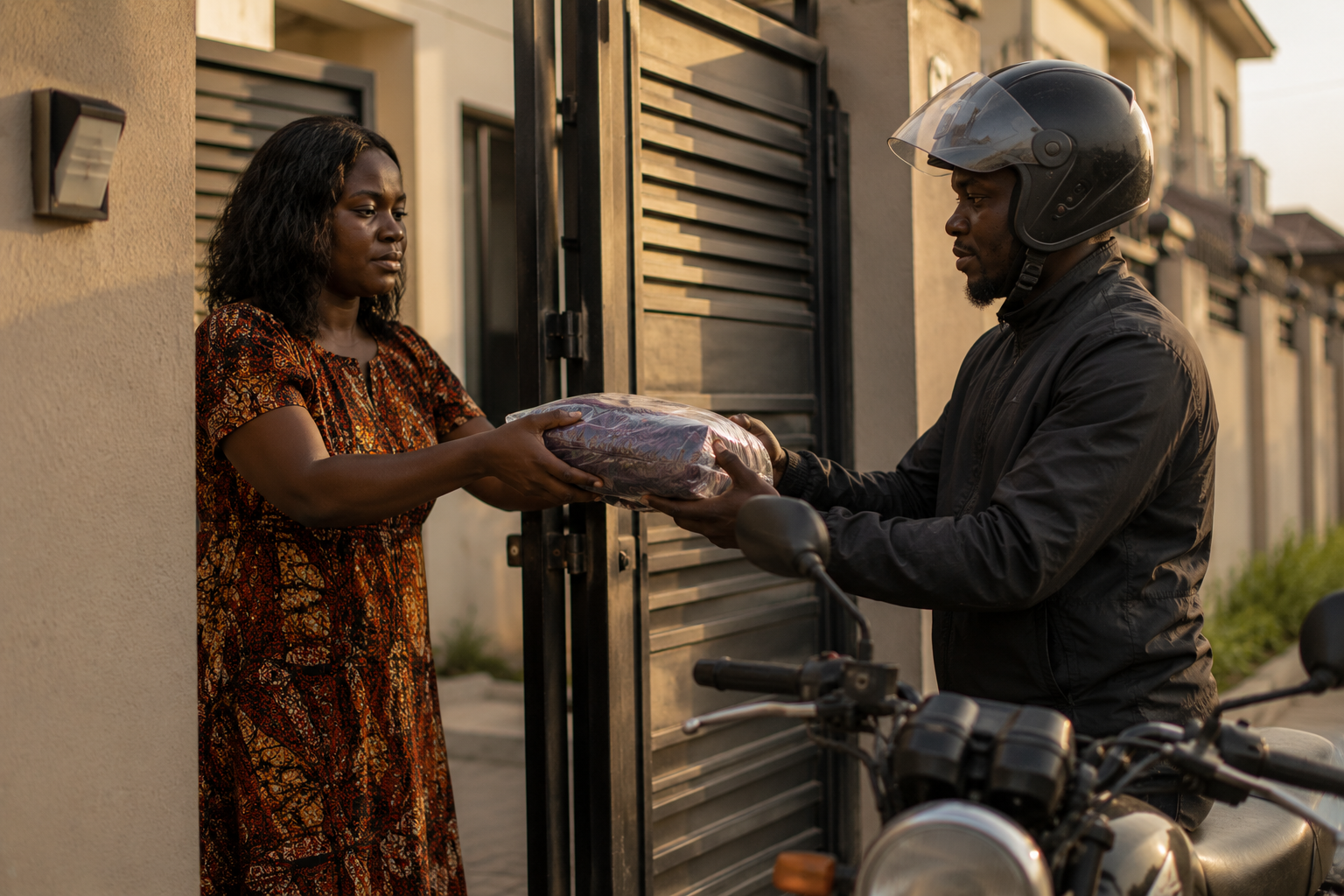
Random WhatsApp dispatch feels like a lifesaver because it is fast. You post a job. A rider responds. You agree on a price. The parcel moves. There is no sign-up process. No onboarding. No dashboard to learn. No monthly plan. That simplicity is attractive when a customer is waiting, and your regular rider is unavailable. But speed is not the same as security.
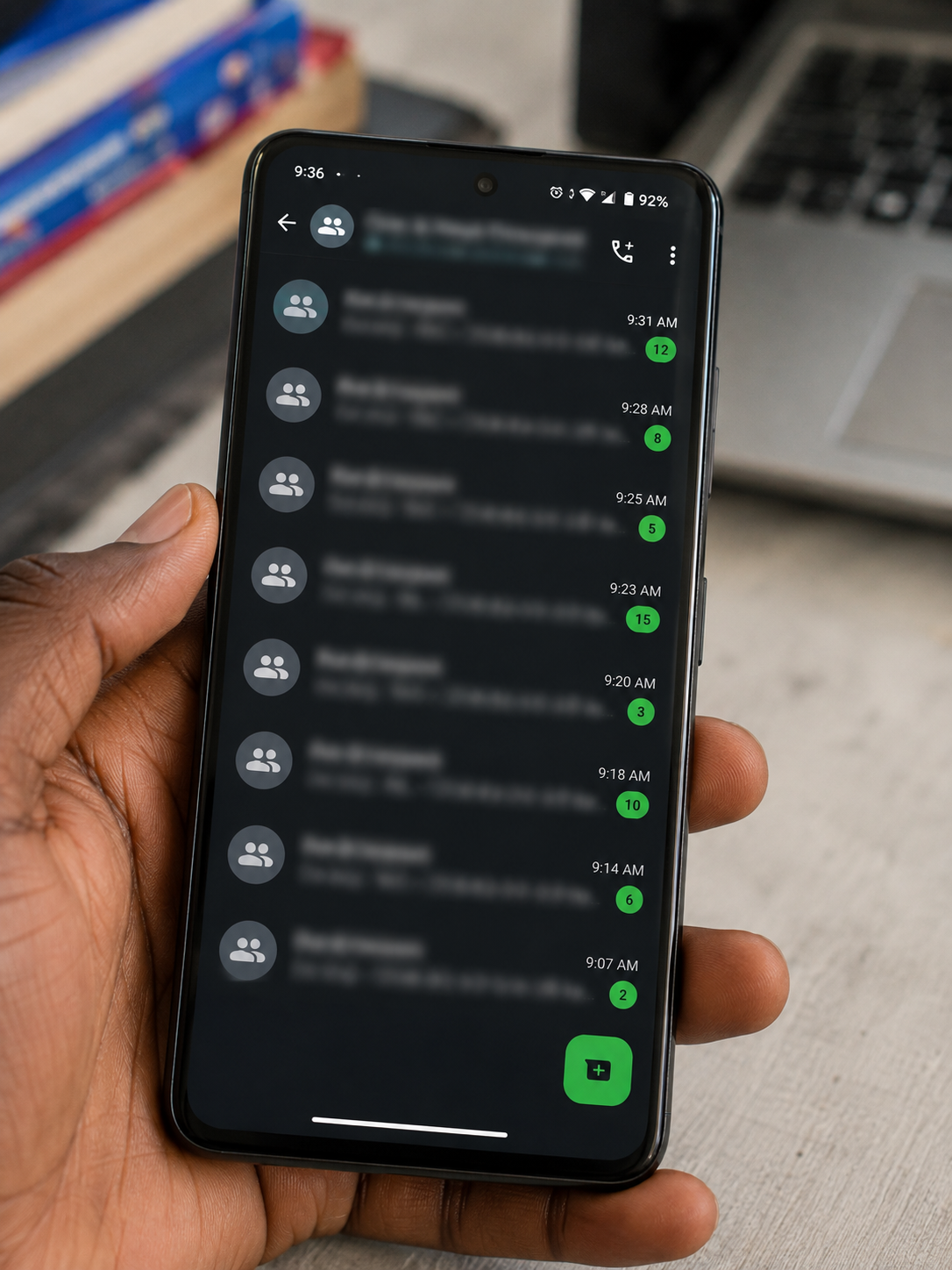
A group chat can help you find a rider. It cannot prove that the rider is who he says he is. A profile picture is not identity verification. A voice note is not a delivery history. A phone number is not accountability. And once delivery communication is scattered across chats, calls, voice notes, screenshots, and forwarded locations, you lose the clean record that helps you resolve disputes fast.
That kind of fragmentation is exactly why purpose-built dispatch systems are replacing consumer messaging tools in more structured logistics operations. The group may have hundreds of members, but that does not mean every person in it is properly vetted.
And when a rider disappears, the group administrator may not be able to recover your goods. The other members may not know him personally. You may not even know his real name. You simply move to the next message and hope. That is the hidden tax. You save a small amount on the dispatch fee today, then expose the entire value of your product tomorrow.
The Cost Is Bigger Than The Missing Package
Let us use simple vendor math. Imagine a vendor loses a package worth ₦100,000. The vendor refunds the customer. That is already ₦100,000 gone. Now imagine the vendor pays ₦5,000 to send a replacement. The cost is now ₦105,000. Add several hours spent calling the rider, calming the customer, checking the group, and searching for another item.
That time could have been used to answer new customers, post products, close sales, or process orders. Now add the brand damage. The customer may stop buying. They may warn a friend. They may post a complaint on their status. They may say, “This vendor is not reliable.” No industry statistic is needed to understand the loss.
Your own numbers are enough. If five packages worth ₦50,000 each disappear over time, your direct inventory exposure is: 5 × ₦50,000 = ₦250,000. That is before refunds, replacement delivery, discounts, missed sales, and your time. This is why random riders can quietly drain your e-commerce profit. The losses rarely arrive as one dramatic bill.
They arrive as:
A ₦1,000 discount to calm an angry customer.
A second delivery fee after a failed attempt.
A refund you did not plan for.
A replacement item bought from your savings.
Forty minutes spent chasing a rider.
A customer who never orders again.

The Accountability Gap
Here is the uncomfortable question. If a rider disappears with your phone, laptop, dress, jewellery, or pharma product, what can you actually prove? Can you confirm his registered company? Can you visit his office? Do you have his verified identity details?
Can you show his delivery history? Can you prove where the parcel was picked up? Can you prove who received it? With a random WhatsApp rider, the answer is often "NO".
You may have:
An anonymous number.
A display picture.
A few chat messages.
A voice note.
A verbal agreement on price.
That is not a complete delivery record. When the rider blocks you, there may be nothing useful left to trace. The vendor absorbs the loss. The customer demands an explanation from the vendor. The rider walks away from the conversation.
This is especially dangerous for vendors in Computer Village, fashion, gadgets, repair services, dry cleaning, tailoring, and online retail. Your product is not just a parcel. It is your stock. It is your cash. It is your reputation. You need a safe courier for electronics and other valuable goods, not just someone who can carry a package across Lagos.
The Better Way: Structured, Verified Delivery
You do not need to stop offering same-day delivery. You need to stop treating delivery as a blind handoff. Go SendAm connects Lagos vendors with verified same-day dispatch companies. We do not own the riders ourselves.
We vet the dispatch companies on the platform against:
CAC details
NIN verification.
A physical office address.
Delivery history.
That means you are not sending a ₦200,000 laptop to a stranger because they replied first in a group chat. You are choosing from a more accountable logistics network. Every delivery is structured with protection built into the process.
You and Your Customer Can Track the Delivery
Both the vendor and customer can follow the delivery in real time. No more forwarding “Where is the rider now?” messages all afternoon. No more calling the rider repeatedly for updates. No more guessing whether the parcel is still in Ikeja, stuck in traffic around Ojota, or already near Lekki Phase 1.
This is real timeline updates delivery in Lagos made for real vendor pressure.
Proof Is Captured At Pickup And Drop-Off
Go SendAm supports automatic photo proof at pickup and drop-off. You can see that the parcel was handed over. You can see that it reached the destination. The delivery record includes a timestamp. That changes the conversation when a dispute begins. You are no longer relying on memory or scattered WhatsApp messages.
Every Delivery Uses Recipient OTP Confirmation
The recipient confirms the delivery with an OTP. This creates another clear checkpoint between your business and the customer. A rider cannot simply say, “I delivered it,” without a structured confirmation tied to the job.
Prices Are Bargained And Locked Before Pickup
The price is agreed before the rider moves. No surprise increase at the doorstep. No sudden, “Oga, traffic was much” negotiation after the package is already in transit. You know the delivery cost before the job starts. Your customer knows what to expect.
Vendors Use Go SendAm Completely Free
There is:
No sign-up fee.
No monthly plan.
You can use Go SendAm for your deliveries without adding another recurring cost to your business. Start using Go SendAm for safer deliveries

Before And After Go SendAm
Before: Random WhatsApp Dispatch
Rider chosen because they replied first.
Identity based on a profile picture.
Price discussed informally.
No physical office to visit.
No tracking updates.
Delivery confirmed by a phone call.
Disputes become “he said, she said.”
Vendor carries the full risk.
After: Structured Go SendAm Delivery
Dispatch company vetted against CAC and NIN.
Physical office address checked.
Job and price agreed before pickup.
Vendor and customer track the delivery.
Photo proof captured at pickup and drop-off.
Recipient confirms delivery with OTP.
Every completed job has a permanent timestamped record.
Disputes have facts to check.

Quick Vendor Audit Checklist
Before giving any valuable parcel to a rider, answer these questions with Yes or No:
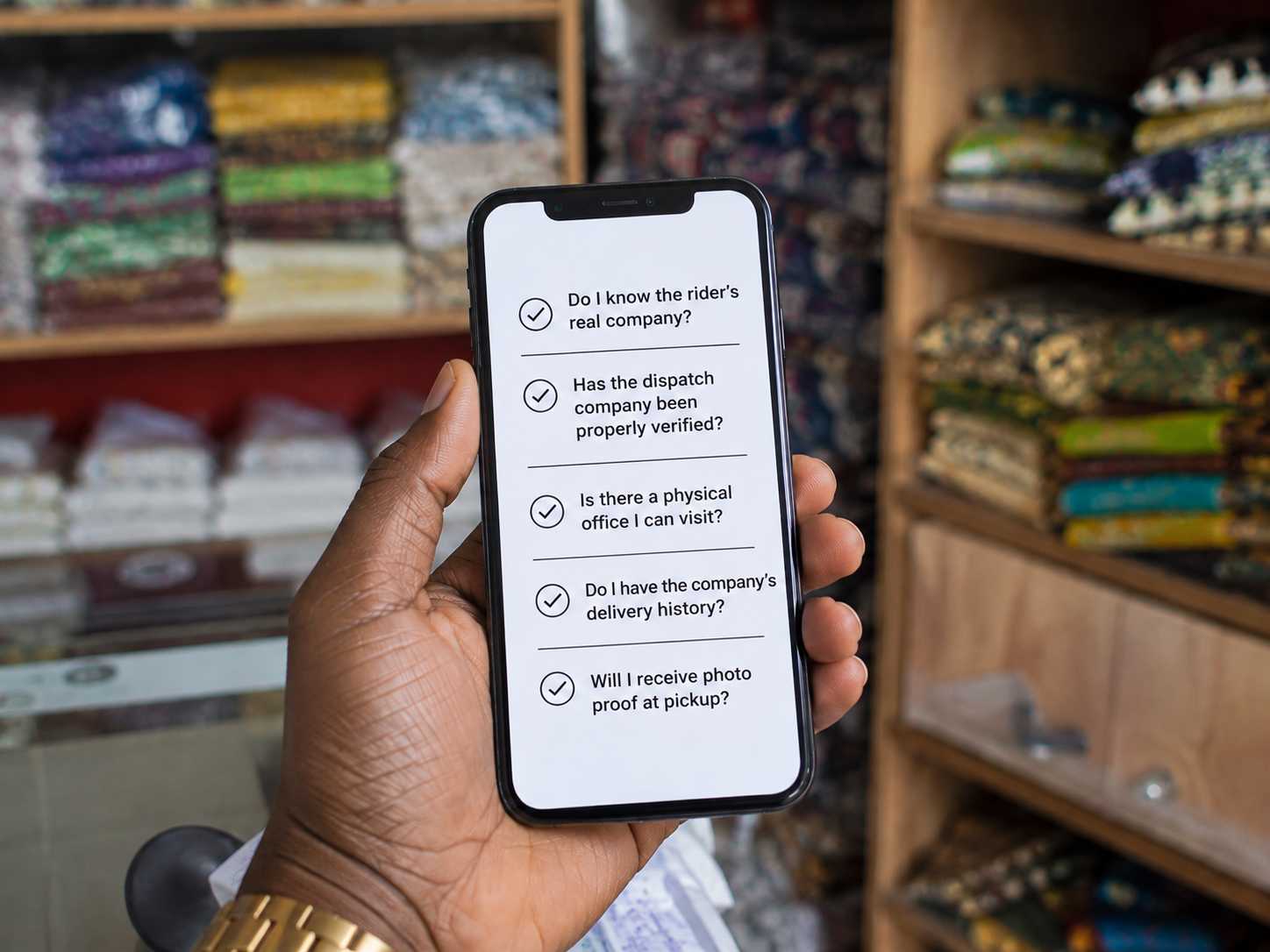
Do I know the rider’s real company?
Has the dispatch company been properly verified?
Is there a physical office I can visit?
Do I have the company’s delivery history?
Will I receive photo proof at pickup?
Will I receive photo proof at drop-off?
Will the recipient confirm delivery with an OTP?
Can both my customer and I track the delivery in real time?
Is the delivery price locked before pickup?
Will there be a permanent timestamped record?
Do I know what happens if the rider disappears?
If most answers are No, your delivery process is not protecting your business. It is asking you to carry all the risk alone.
The lesson is simple. Your delivery partner is part of your customer experience. Choose one with records, verification, tracking, and proof. Stop funding your delivery risks through random strangers. Secure your shipments from pickup to drop-off.
Read Next
If you sell phones, laptops, fashion, jewellery, or other high-value products, read Why Bolt and Uber Won’t Cover You If Your ₦200k Order Goes Missing.
And if a customer has ever disputed a delivery you know was completed, read Stop Losing Arguments You Were Right About.
Protect your next delivery with Go SendAm
