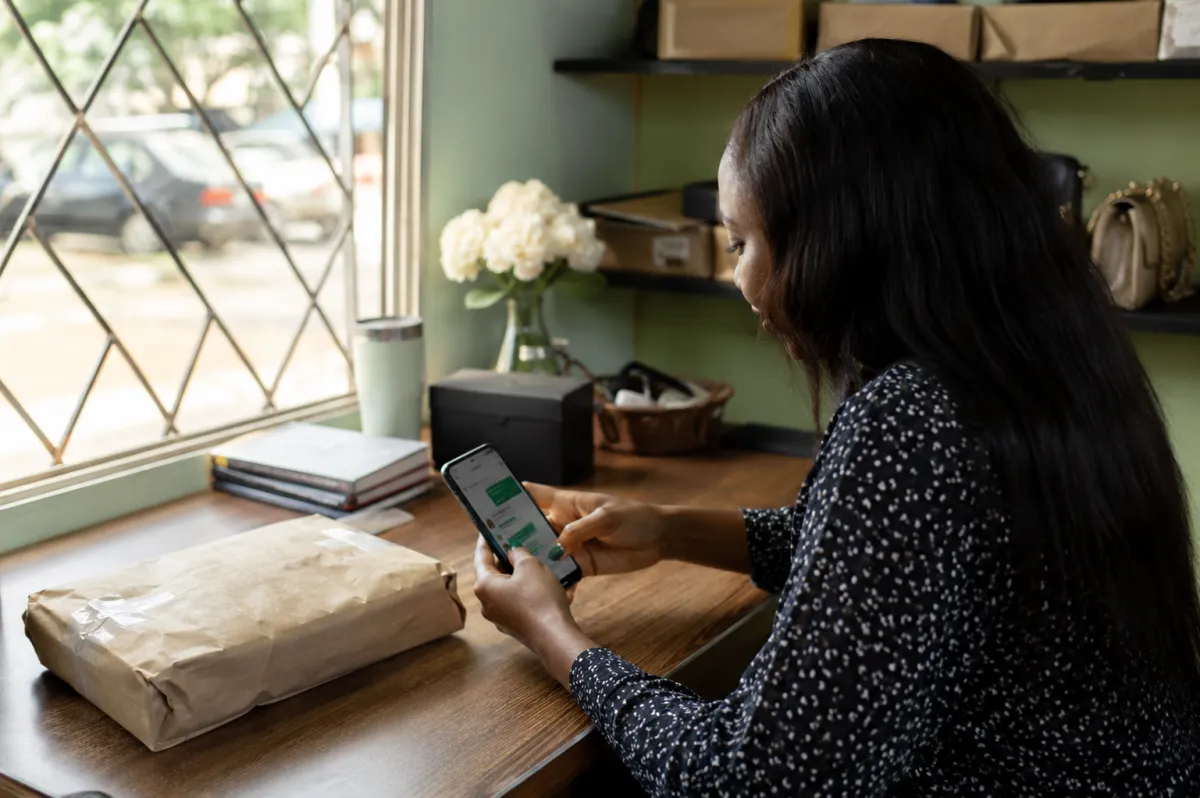
Trackable Delivery In Lagos: How Verified Dispatch Riders Protect Your Physical Store from Delivery Fraud
If you are a vendor in Lagos, then you are most likely familiar with this: On a faithful day of the week, you copy a rider's number someone shared in a WhatsApp group you are in and send an item worth ₦300,000 through him. He comes to your location, picks up the package, and after an hour, his phone goes off. No calls. No messages. Nothing.
You continue calling the rider, and soon after, the customer begins calling you repeatedly for the location of her item because she was going to be traveling with it that evening, as she had initially explained to you before she bought the item why she needed a same-day delivery.
After two hours of waiting for her delivery and no positive response from you either, she requested a refund. In that moment, you became disorganized, with a lot of thoughts going through your head. Deep down, you knew that the only option was to refund because you couldn't even get hold of the rider you sent with the item to begin with, and nobody in the group chat knows his name, not to talk of personally.
But then how many times will you refund because of dispatch riders? You ask yourself: every day the business keeps draining financially, losses upon losses because of different unknown dispatch riders; with no other choice, you pay the money back from your own pocket. And one evening, you watch the trust you built for years, on the page you worked so hard for, disappear.
Think about it. You did everything right. You took the product photos. You answered every DM. You confirmed the payment. You packed the item with care. But when the delivery went wrong, you were the one who paid for it. Not the rider. You. Here is the hard truth: this was not bad luck.
This is what happens, again and again, when you hand valuable goods to a stranger nobody has checked. So how do the vendors who never lose money this way do it differently? What do verified riders actually do that random riders don't? And what is the one small change that can stop this from ever happening to your store again? Stay with me. You are about to find out.
A Familiar Lagos Story
Simi sells expensive fashion items and gadgets through Instagram, WhatsApp, and her physical store. Her customers know her for quick replies, neat packaging, and same-day delivery locally across Lagos. One Tuesday afternoon, a customer ordered a gadget worth ₦300,000. The customer paid. Simi found a “reliable” rider through a WhatsApp group. He had a bike photo, a Nigerian phone number, and a friendly voice note. That was all.
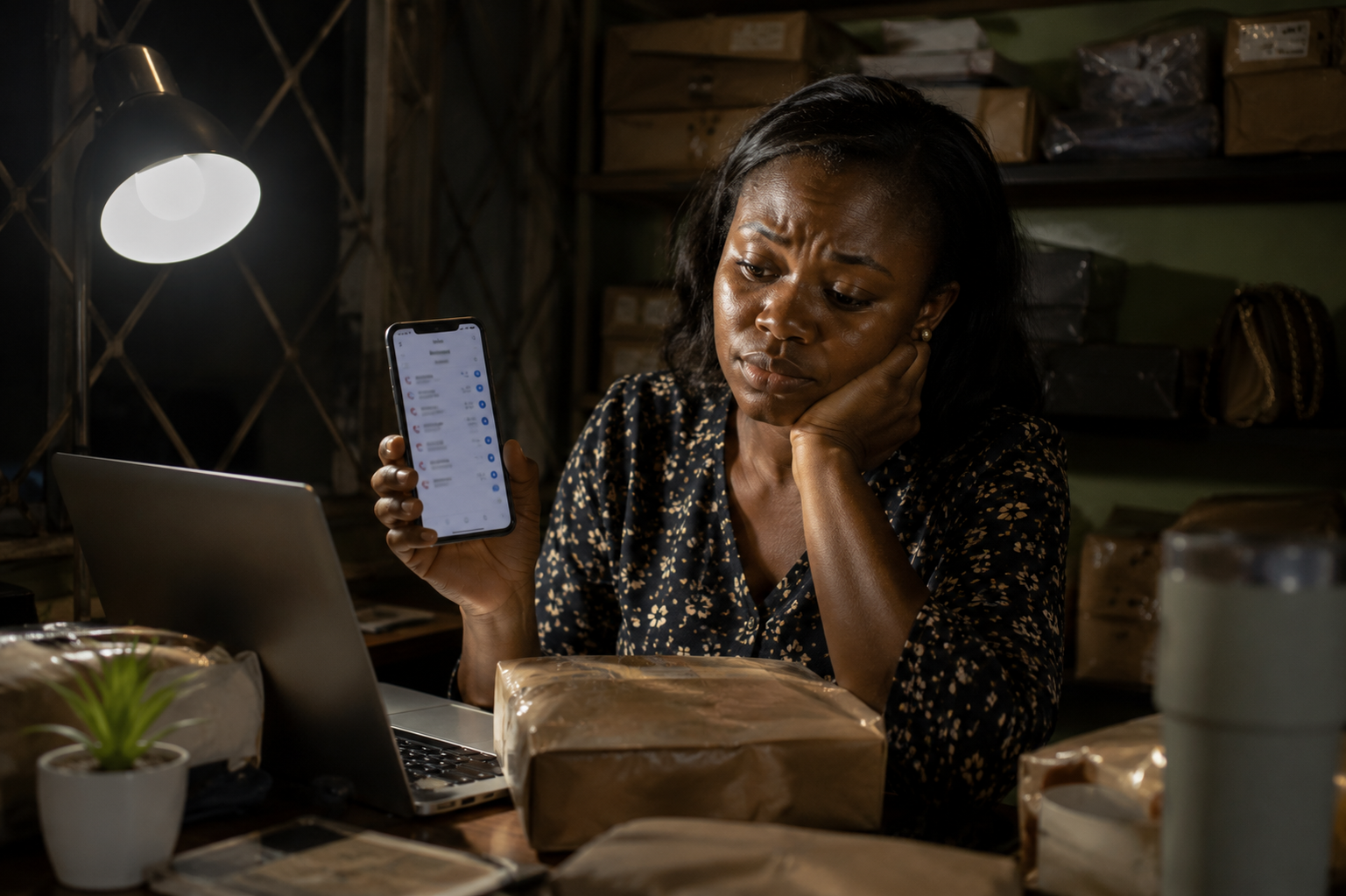
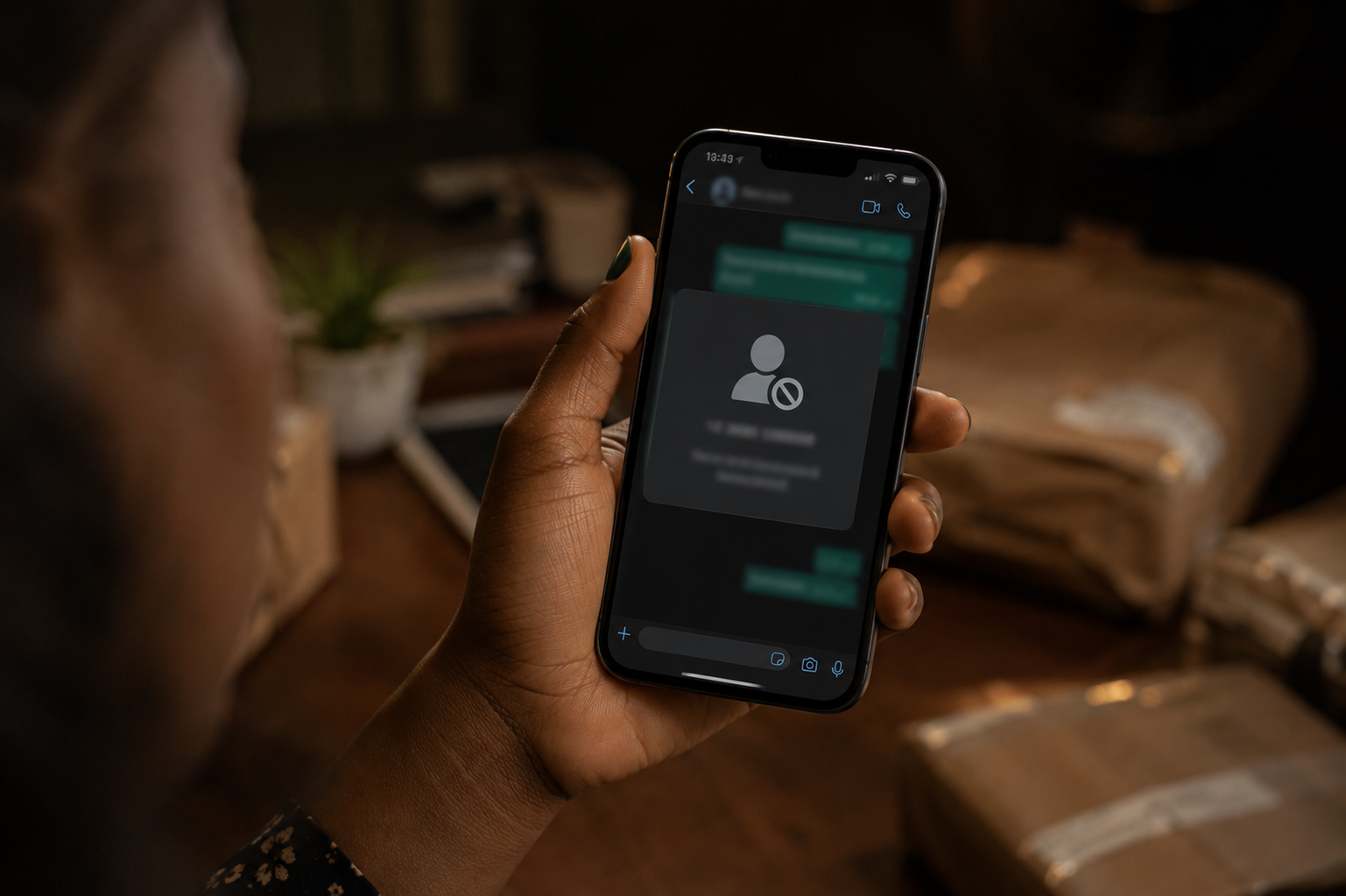
He arrived at Simi’s shop, collected the package, and promised to send updates. For the first hour, Simi was calm. Then she called him. No answer. She tried again. Still nothing. The customer began sending messages. “Where is my order?” “Your rider is not picking up.” “Please refund me now,” Simi called the number again. The rider had blocked her.
The package was gone. The customer posted an angry message on her status. Two other buyers saw it and started asking questions. Simi refunded the full amount. That refund wiped out the profit she had made that week. Later, she heard that the rider had used the item’s photos to resell it elsewhere. The painful part was not only the money. It was the realisation that the display picture she trusted was just a picture.
The Illusion of Convenience
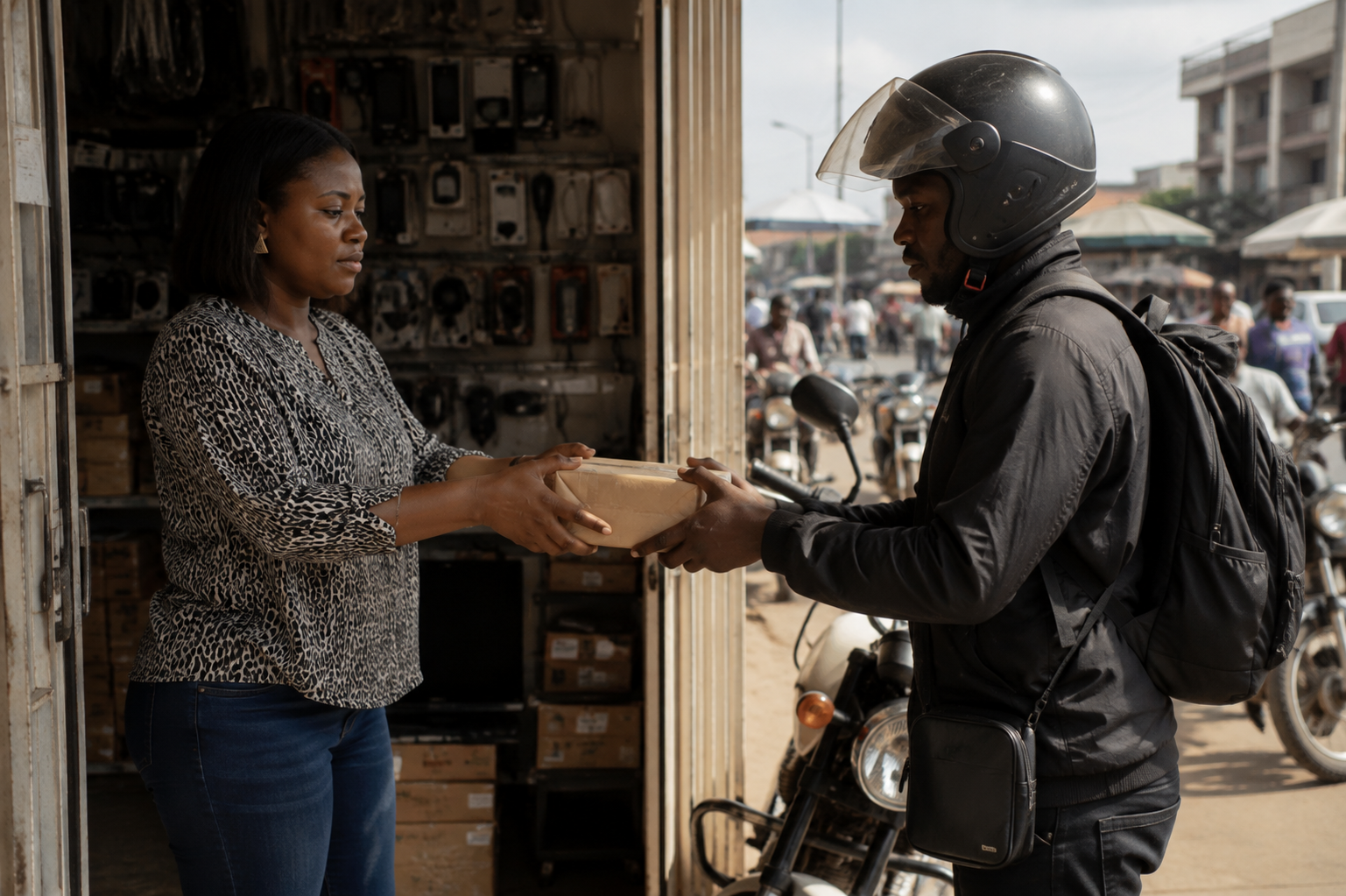
WhatsApp group riders feel easy. You post the pickup and drop-off locations. Someone replies. You agree on a price. The rider comes. No setup. No account. No long form. Sometimes the price looks cheaper too. When a customer is waiting, this feels like the fastest option. But speed without vetting is not convenience. It is exposure.
An anonymous number does not show you who will answer tomorrow. A voice note does not prove that a rider works for a real dispatch company. A WhatsApp display picture does not tell you where to find the person if your package disappears. This matters because social commerce is now a normal part of buying and selling in Nigeria.
The Cost Is Bigger Than the Missing Item
When a delivery fraud happens, vendors often count only the item value. That is the first loss. Then come the quiet losses:
The refund you pay from your own account.
The replacement product you may need to send.
The hours spent calling the rider and explaining the issue.
The time spent calming the customer.
The content and sales work you cannot do.
The customer who tells friends not to buy from your page.
The future orders that never arrive.
If your product is a phone, laptop, dress, jewellery item, or pharmaceutical product, one bad delivery can hurt badly. And the loss can repeat. A customer may not say, “Your dispatch process is weak.” They may simply say, “That Instagram vendor is not trustworthy.”
That is how a logistics problem becomes a sales problem. Nigeria’s social media economy is growing faster than consumer protection. There are no shared refund rules for many social-media transactions and no clear process when things go wrong. So when a package disappears, the vendor often becomes the refund policy, the complaint desk, and the insurance company.
The Accountability Gap
Ask yourself what you can trace when using a random rider. You may have:
Do you know the office address?
Can you verify the person’s identity?
Can you see a history of completed deliveries?
If the answer is no, the accountability gap is wide open. There is no CAC record tying the rider to a business. There is no NIN verification connecting the responsible person to a traceable identity. There is no physical office where you can demand answers. There is no delivery history showing how the company has handled other vendors’ packages.
When trouble starts, the rider can block your number, delete the chat, change the display picture, and start again. You are left holding the loss. Digital payment fraud losses in Nigeria fell from ₦52.26 billion in 2024 to ₦25.85 billion in 2025. Lagos still accounted for 63.43% of fraud-related activity.
The report also says fraud was most common in e-commerce and internet banking channels, while social engineering remained the most common fraud technique. The lesson is simple: If the process depends only on trust, a fraudster only needs to sound trustworthy.
What Verified Dispatch Riders Do Differently
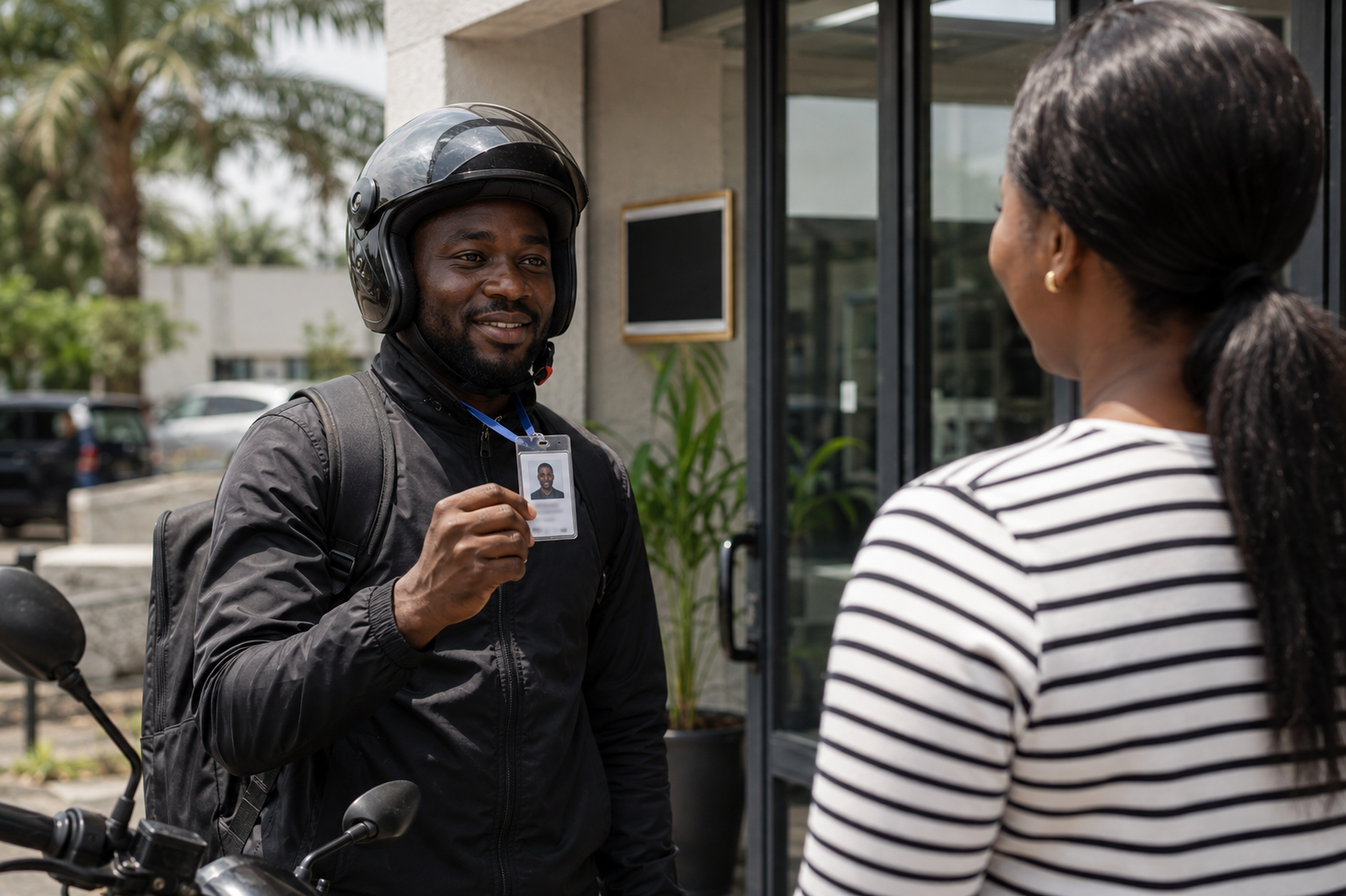
A verified dispatch rider works through a system with checks. At Go SendAm, vendors are connected to same-day dispatch companies that are checked against:
CAC registration.
NIN details.
A physical office address.
Delivery history.
This does not mean every delivery risk disappears. It means the company handling your delivery is not just an unknown phone number. There is a business behind the job. There is a place to trace. There is a record to review.
1. Pickup proof
Go SendAm provides automatic photo proof at pickup. This shows that the package was handed over and records the condition of the parcel at the start. That matters when someone later says, “I never collected it.”
2. Drop-off proof
The delivery also has photo proof at drop-off. Now you have evidence that the package reached the delivery point. You do not need to rely only on memory, chats, or a rider’s word.
3. OTP confirmation
Every delivery includes recipient OTP confirmation. The customer must provide the correct one-time password before you complete the delivery. That creates a stronger handover record and helps protect you when a customer says, “I never received anything.”
4. Timeline updates
With Go SendAm, both you and your customer receive timeline updates. Your customer does not need to keep asking, “Where is my order?” You can see the delivery progress too. That makes the process calmer and more professional. It also gives you useful information if there is a delay or route problem.
5. Locked pricing
You bargain and lock the delivery price before pickup. No surprise price at the doorstep. No sudden extra charge after the rider has collected your product. The job is clear before it begins.
6. Permanent records
Every job creates timestamped delivery records. That includes the delivery details and proof collected during the trip. When there is a dispute, you have something stronger than a screenshot of a WhatsApp chat. You have a record of what happened.
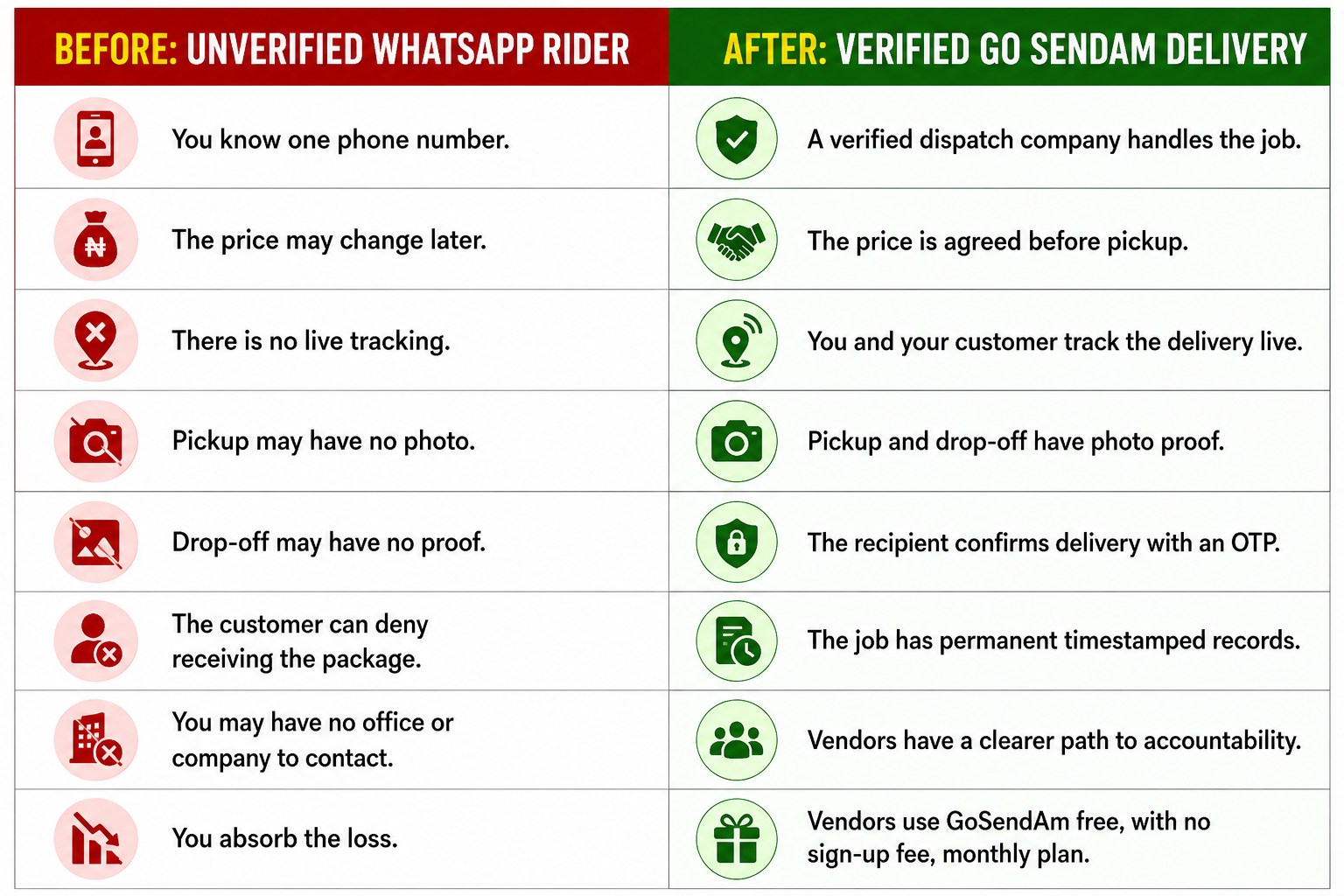
Before and After Go SendAm
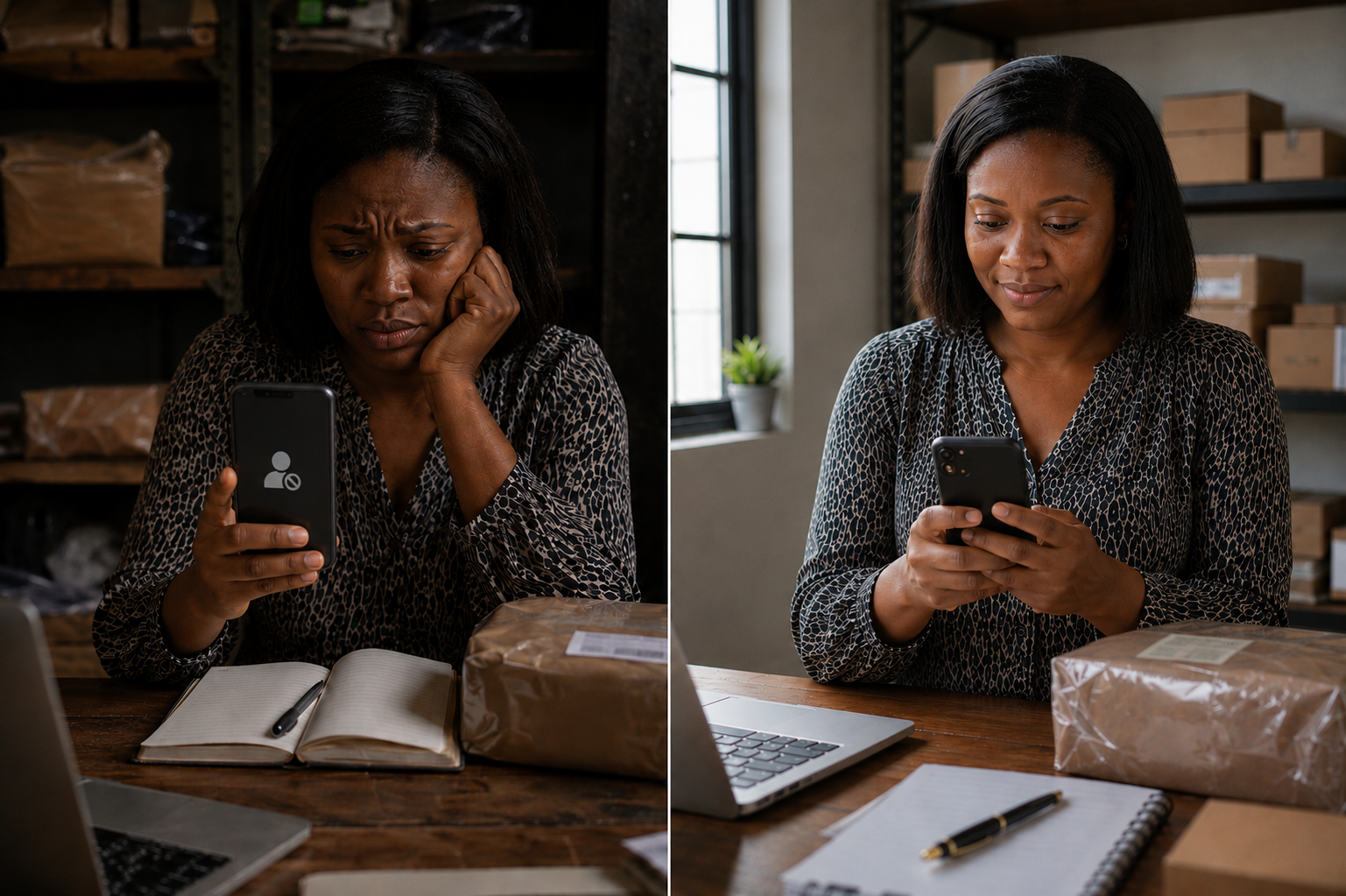
This is what secure shipping in Nigeria should feel like. Not perfect. Structured. Traceable and Accountable.
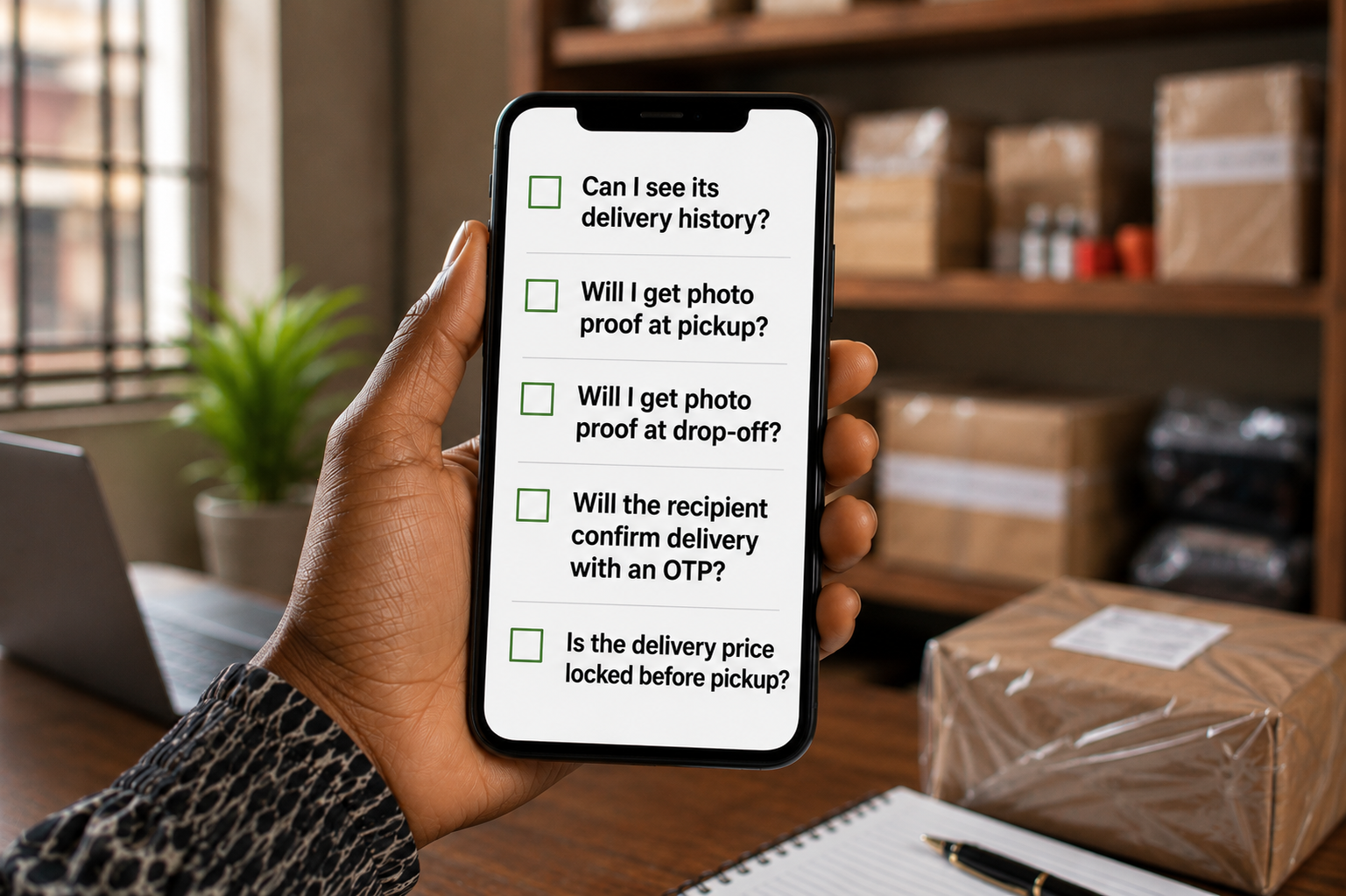
Quick Vendor Takeaway Checklist
Before you hand over a valuable package, ask:
Can I verify the rider’s dispatch company? Yes / No
Has the company been checked against CAC and NIN? Yes / No
Does the company have a physical office address? Yes / No
Can I see its delivery history? Yes / No
Will I get photo proof at pickup? Yes / No
Will I get photo proof at drop-off? Yes / No
Will the recipient confirm delivery with an OTP? Yes / No
Is the delivery price locked before pickup? Yes / No
Can my customer and I track the package in real time? Yes / No
Will I have a permanent timestamped delivery record? Yes / No
If you answered “No” several times, your delivery process needs attention. You can start using GoSendAm without a sign-up fee, monthly plan, or per-delivery platform charge. It is built for Lagos vendors shipping valuable products through Instagram, WhatsApp, and other social platforms.
Whether you need dispatch riders in Lagos, a same-day delivery service in Lagos, a Computer Village delivery service, or a safe courier for electronics, the goal is the same: Do not let a valuable product leave your shop without a traceable process.
Your Physical store deserves more than a rider’s display picture. It deserves proof, tracking, and accountability. A verified rider isn’t a luxury. It’s the difference between a delivery and a disappearance.
READ NEXT
Want to see how small delivery losses add up?
Read Safe Courier For Vendors: Why Random WhatsApp Riders Are Costing You Thousands Of Naira.
Already dealing with a customer dispute?
Read Proof Problem: You Were Right About the Order. Now Prove It.
