
You Are Not Underpaid: You Are Just Delivering For The Wrong Vendors
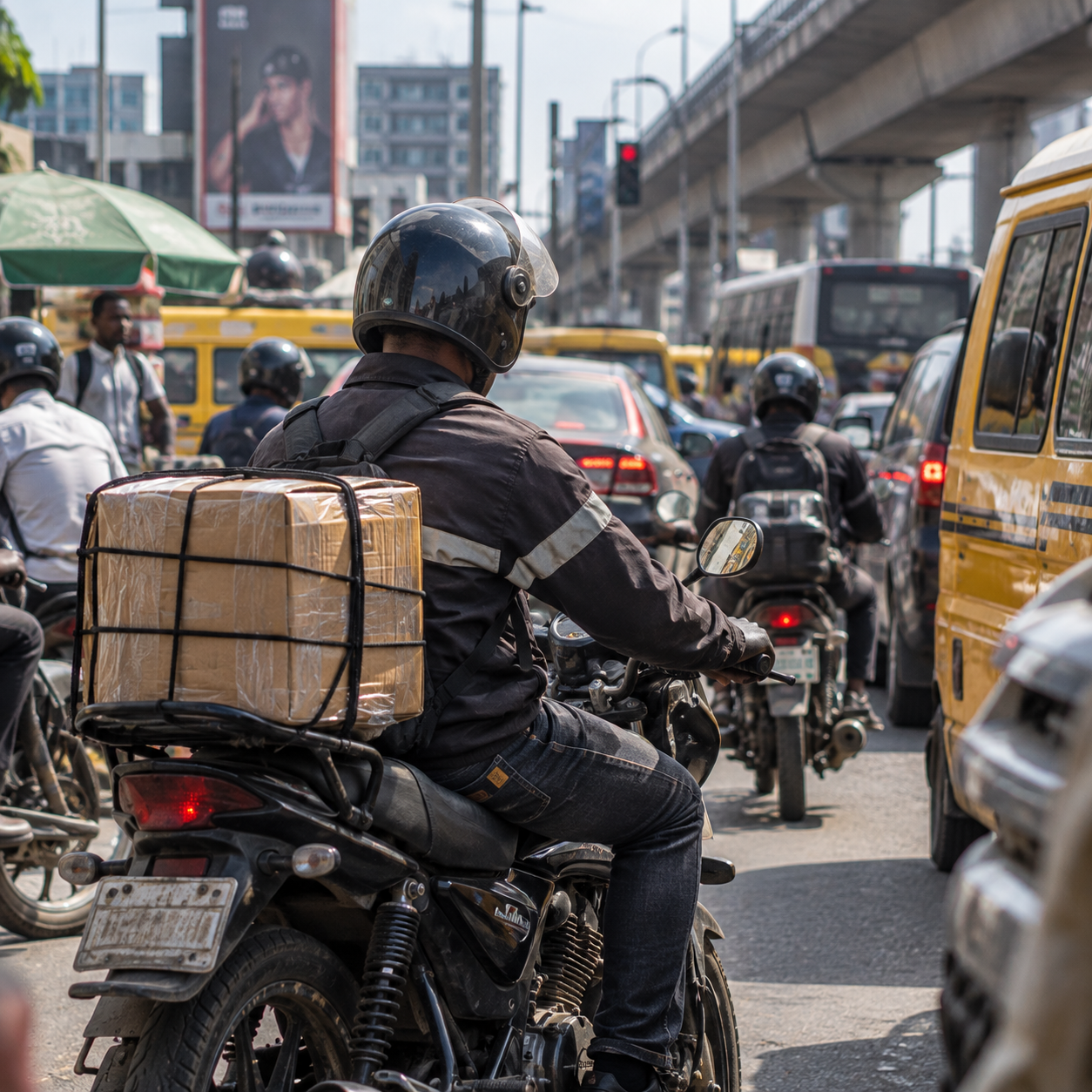
If you are a dispatch operator in Lagos, you know how this day usually starts. A vendor calls. "Boss, help me take this one to Yaba." You name your price. "Reduce it small, abeg my oga." You reduce it. Before you finish that trip, another vendor sends a package to Ikeja. Same story. "Boss, I will pay you later."
You accept because a jobless rider and an empty account feel worse than a cheap job. By afternoon, you have crossed half of Lagos, sat in traffic on Third Mainland, called customers who did not pick up, searched for a street with no clear address, and paid for fuel, airtime, and one small repair.
At the end of the day, your log shows six completed trips. Your pocket does not show six trips' worth of work. Your fuel is almost finished, your body is tired, and your wallet is still light. Tomorrow, you will do it again, because a slow day feels worse than a cheap one.
Most dispatch operators call this bad luck. A bad week. A bad set of customers. By the end of this article, you will see it differently. You will understand why some deliveries drain you no matter how many of them you do, and how to start telling, before you accept the next job, which vendors are actually worth your fuel.
This Is Not Bad Luck
You may think your problem is that vendors do not pay enough or you have the wrong vendors as customers. That is only half of the truth. The bigger problem is who you keep delivering for. Some vendors see delivery as a cost to cut. They always want the lowest price, no matter what you ask.
They bargain before pickup, bargain after delivery, and sometimes ask you to wait for payment. As frustrating as that can be, it might not be their fault. Their own profit may just be small, and when their margin is tight, every naira you ask for becomes a dispute.
Here's the section corrected to your logic: The problem isn't stingy vendors trying to profit off delivery; it's that cheap goods can't carry a real delivery fee, period.
Low-Value Packages Cannot Suddenly Carry a Premium Fee.
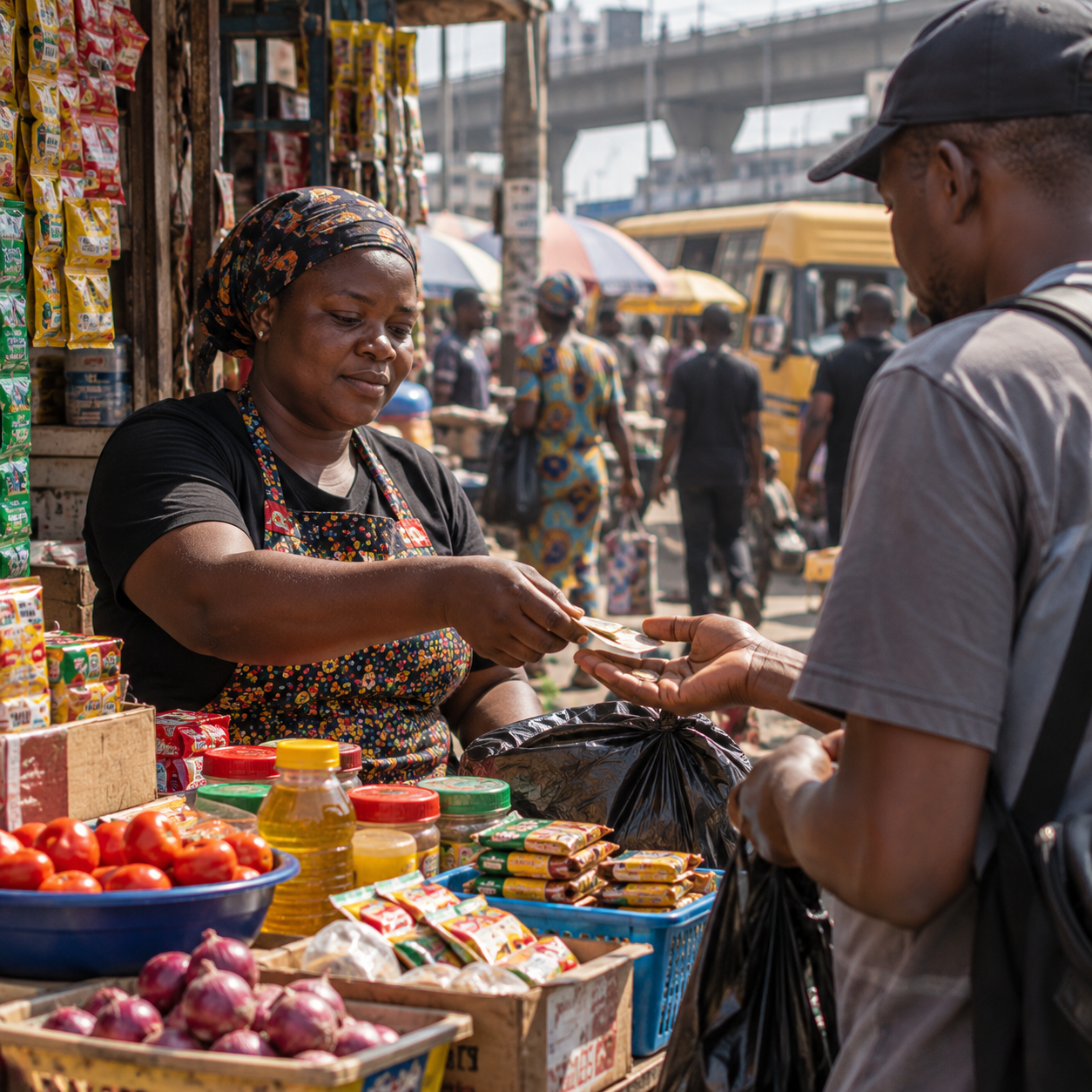
Look at a vendor selling something cheap. A customer buys it after checking three other sellers first. The vendor already gave a discount to win that sale. Now add packaging, internet, rent, messages, and delivery. There is almost nothing left for anyone.
This is not about the vendor trying to cheat you. Most vendors do not make money from delivery either. The real problem is the package itself. If rice costs ₦13,000, nobody will pay ₦15,000 just to have it delivered. It does not matter how far you drove or how good your work was. No one pays more to move a thing than the thing is worth. And no vendor can defend a fee like that. Everyone in that deal is broke before the bike even starts.
So when you ask for a fair delivery fee, the vendor is not refusing to pay you well. There is simply no room in that price for it. That is when you hear:
"The customer cannot pay that much."
"Another rider is cheaper."
"Help me today. I will give you more next time."
"Just reduce it by ₦500."
You agree because you want the job. But one small reduction becomes a habit. Then another vendor asks for the same thing. Soon your "special price" becomes your normal price. People are watching their money more these days. They compare prices. They look for the best deal.
When that pressure reaches the vendor, it reaches you too. But cutting your fee does not fix the vendor's small profit. It only means two people are now losing money on the same delivery instead of one.
More Cheap Jobs Can Make You Busier And Poorer
This is the trap, and it really affects you mentally. You think more jobs will fix your problem, so you accept every low offer. One cheap package becomes five. Five become ten. Your dispatch riders stay on the road for longer hours. Your bikes take more punishment.
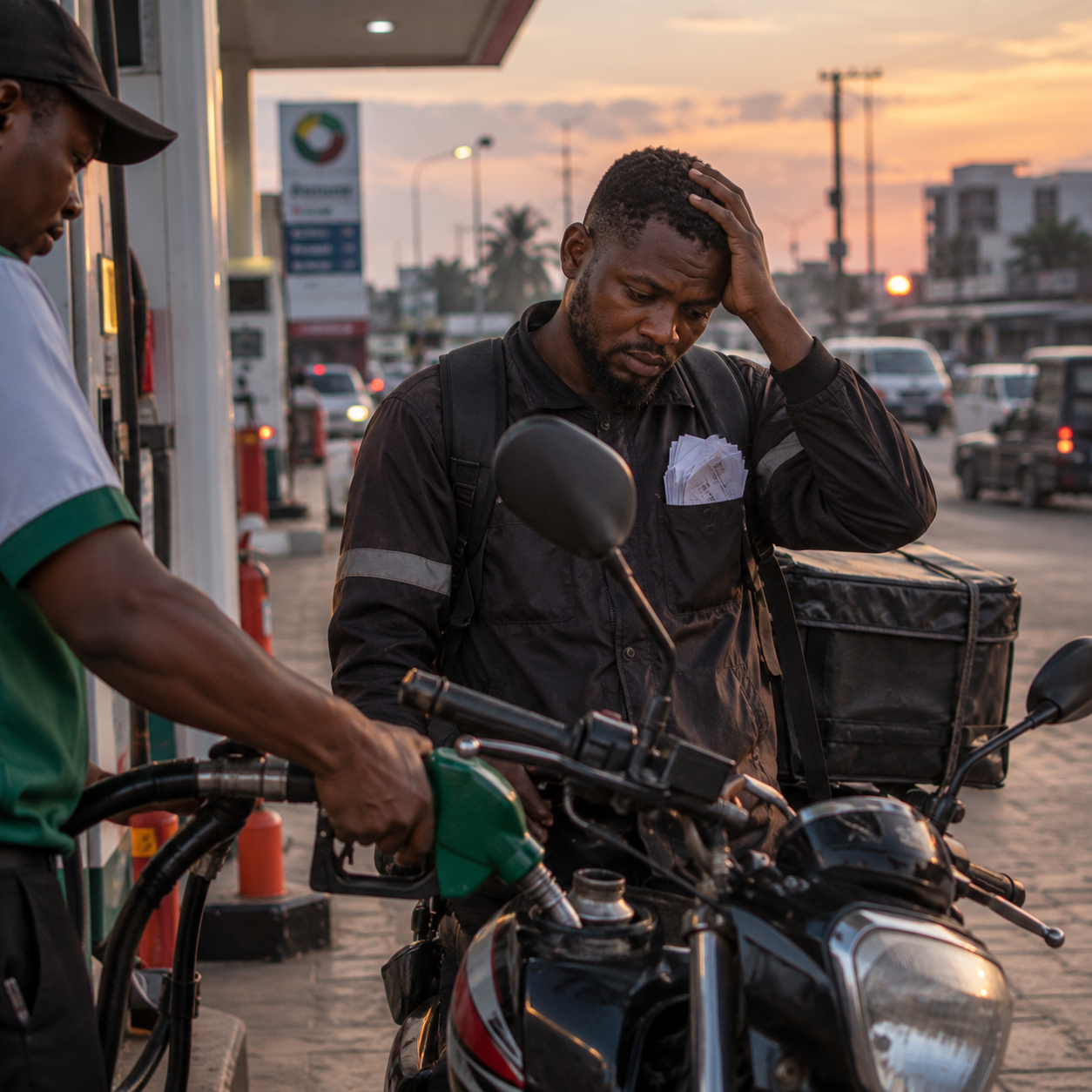
Your fuel bill grows. Your maintenance bill waits quietly in the background. Your phone bill also grows because every delivery needs calls, directions, and updates. But your income does not grow at the same speed. You are moving more packages without building a stronger business.
A busy day can still be a bad business day. That is the part many operators avoid facing. More movement is not the same as more money. If the price is wrong, more jobs only help you lose money faster.
The Hard Truth
You are not underpaid for the work you do. You are over-delivering for clients who were never going to pay well. Read that again. You may be fast. You may know Lagos roads better than most people. You may have trusted dispatch riders.
You may answer calls quickly and handle difficult customers calmly. But if your vendor list is full of people looking only for the cheapest delivery, your skill will not save your income. They will still ask for a discount. They will still compare you with the cheapest rider they can find.
They will still expect premium effort at a low price. You cannot build a strong dispatch company by hoping a low-paying vendor suddenly changes.

The Market Is Not Empty
There is still strong demand for delivery in Lagos. Nigeria’s e-commerce market is currently at USD 10.49 billion in 2026, and Lagos accounted for nearly 39.30% of online orders in 2025. And that means Lagos has no shortage of online sellers.
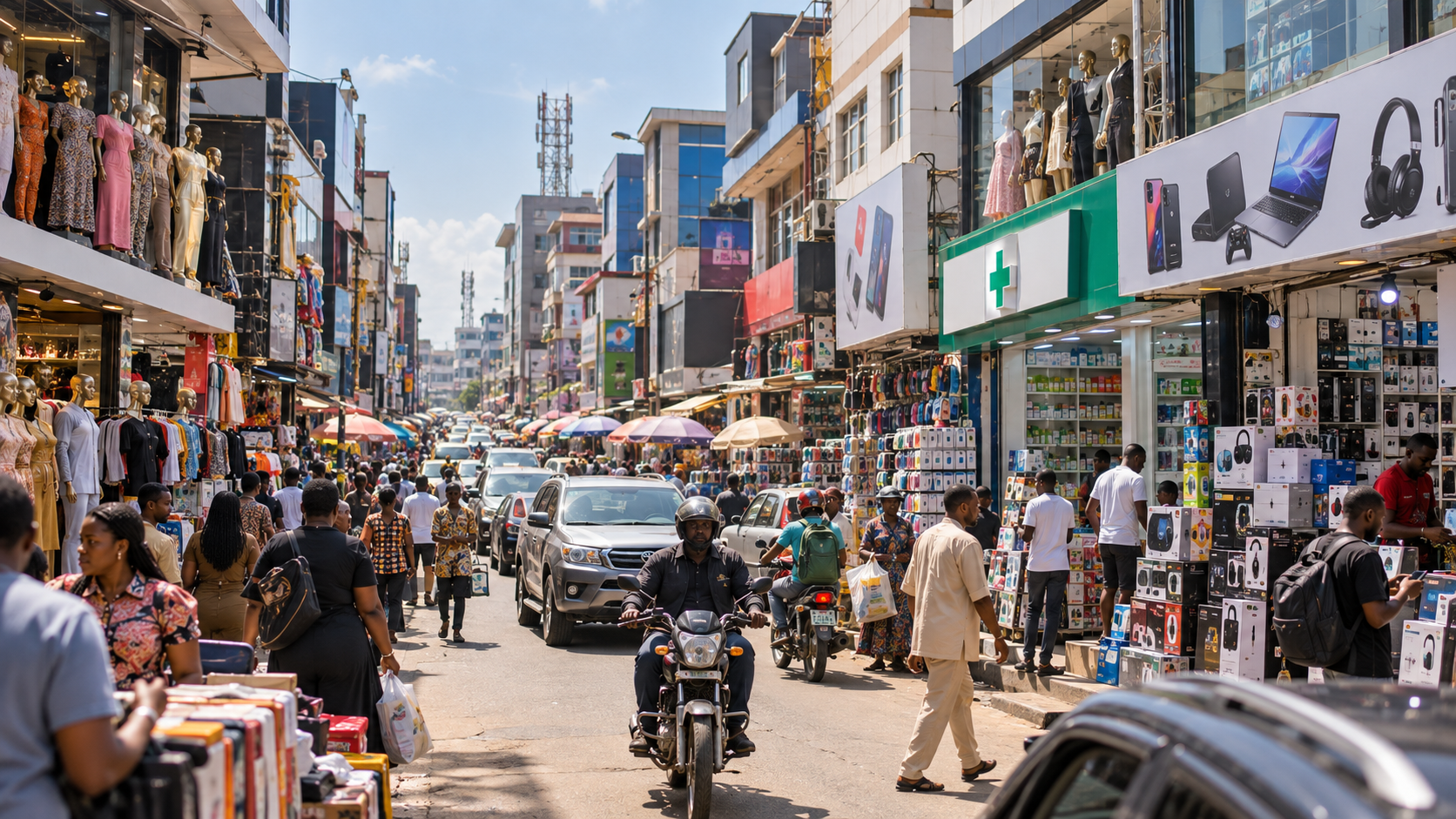
There are fashion vendors. Phone sellers. Laptop vendors. Human hair businesses. Pharmacies. Motor spare parts dealers. Repair shops. Many of them need same-day delivery. Most of them are sending goods that are valuable, fragile, or urgent.
Their problem is not finding the cheapest person on the road. Their problem is finding someone they can trust. 62% of Nigerian consumers use same-day delivery options. So the market is not short of orders. The real question is this: Which vendors are finding you?
The Operators Earning Better Did Not Just Ride Longer
Read this carefully: some operators aren't earning better because they have magic bikes, are always faster than you, or escape Lagos traffic. The truth that you don’t know is that they deal with fuel costs, road delays, and difficult customers just like you, or even more.
The only difference is that they changed two things, and what is that:
They stopped building their business around vendors who only wanted the lowest price.
They made it easier for serious vendors to notice them.
You may be good at delivery and still be hard to find. You may have completed hundreds of jobs and still have no clear proof of your work. You may be reliable, but if all a vendor sees is a WhatsApp number and a price, the vendor has no reason to trust you with a valuable package.
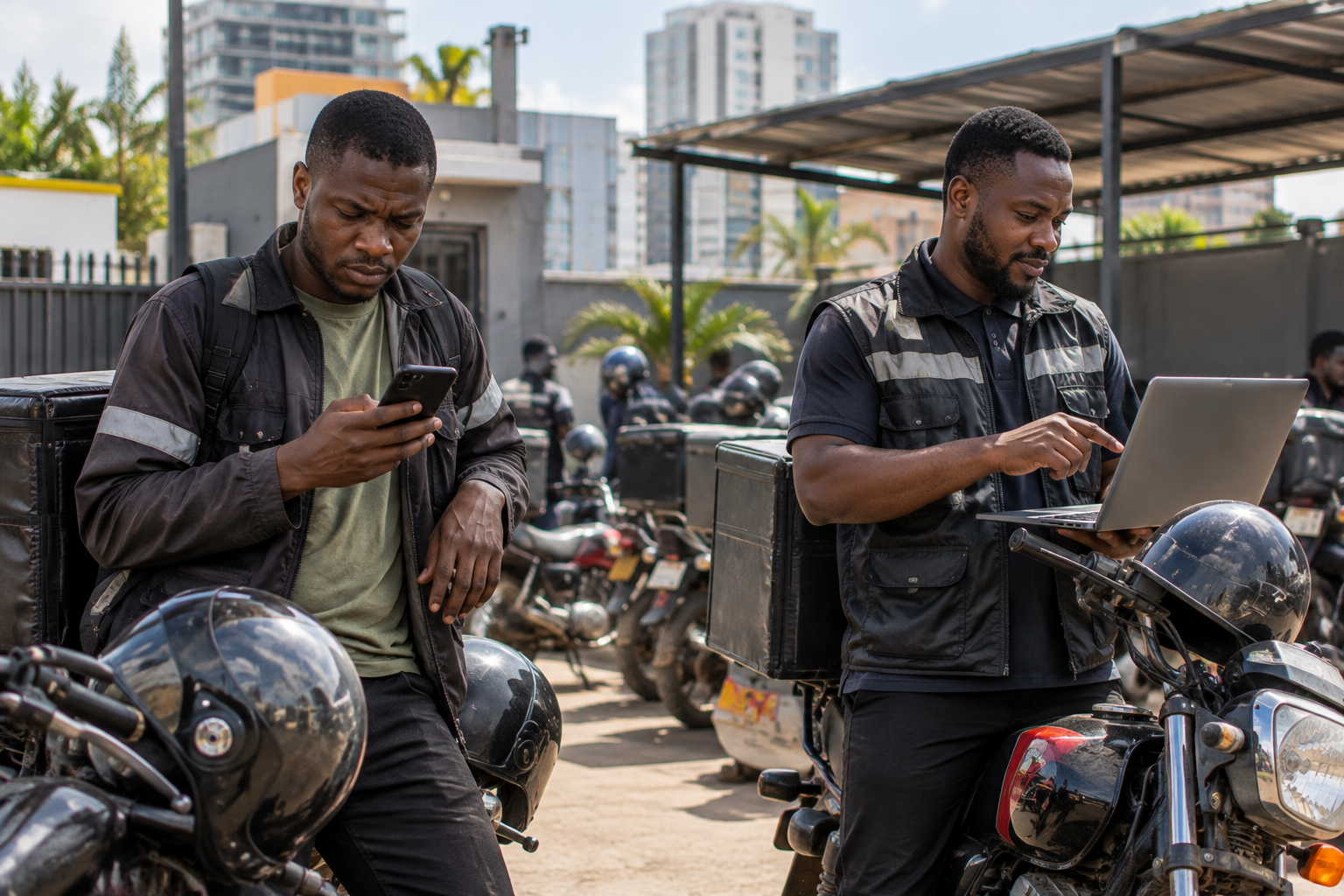
The Shift: Become Findable To High-Paying Vendors
Here is the solution: Stop trying to squeeze more money out of low-paying vendors. Start becoming visible, verifiable, and credible to high-paying vendors. And to do that, you have to start by identifying high-paying vendors. They are the ones who ship products such as:
Human hair
High-end fashion items
Phones and laptops
Jewellery
Expensive motor spare parts
Etc
These types of vendors do not only want “a rider”. They want a delivery company that can protect their business and their customer relationship. They want to know:
Who is carrying the package?
Where is the package right now?
Was it picked up safely?
Who received it?
When was it delivered?
What happens if there is a dispute?
Can the delivery price be agreed upon before pickup?
And if it were you, trust me, you would do the same thing and feel the same way. This is why your business needs more than just a bike and a phone. It needs proof. It needs structure. It needs trust.
A verified dispatch profile can show that your company has passed checks such as CAC and NIN verification, has a physical office, and has a delivery history that vendors can review. Tracking gives the vendor and customer visibility.
Photo proof at pickup and drop-off creates a record. OTP confirmation helps show who received the package. Pre-agreed pricing prevents arguments at the doorstep. Those details can make a vendor feel comfortable handing you a ₦300,000 laptop. That is where Go SendAm comes in.
Go SendAm connects Lagos vendors with verified dispatch companies for same-day delivery. Vendors use the platform for free, while dispatch operators create a stronger presence in front of sellers who already need reliable delivery for valuable goods.

The Money Is In Better Clients
Your next step is simple. Stop asking, “How can I get more jobs?” Start asking, “How can the right vendors find and trust my dispatch company?” Build your records. Show your proof. Make your service clear. Get listed where Lagos vendors are already looking for verified dispatch riders, courier services in Lagos, and a same-day delivery service in Lagos.
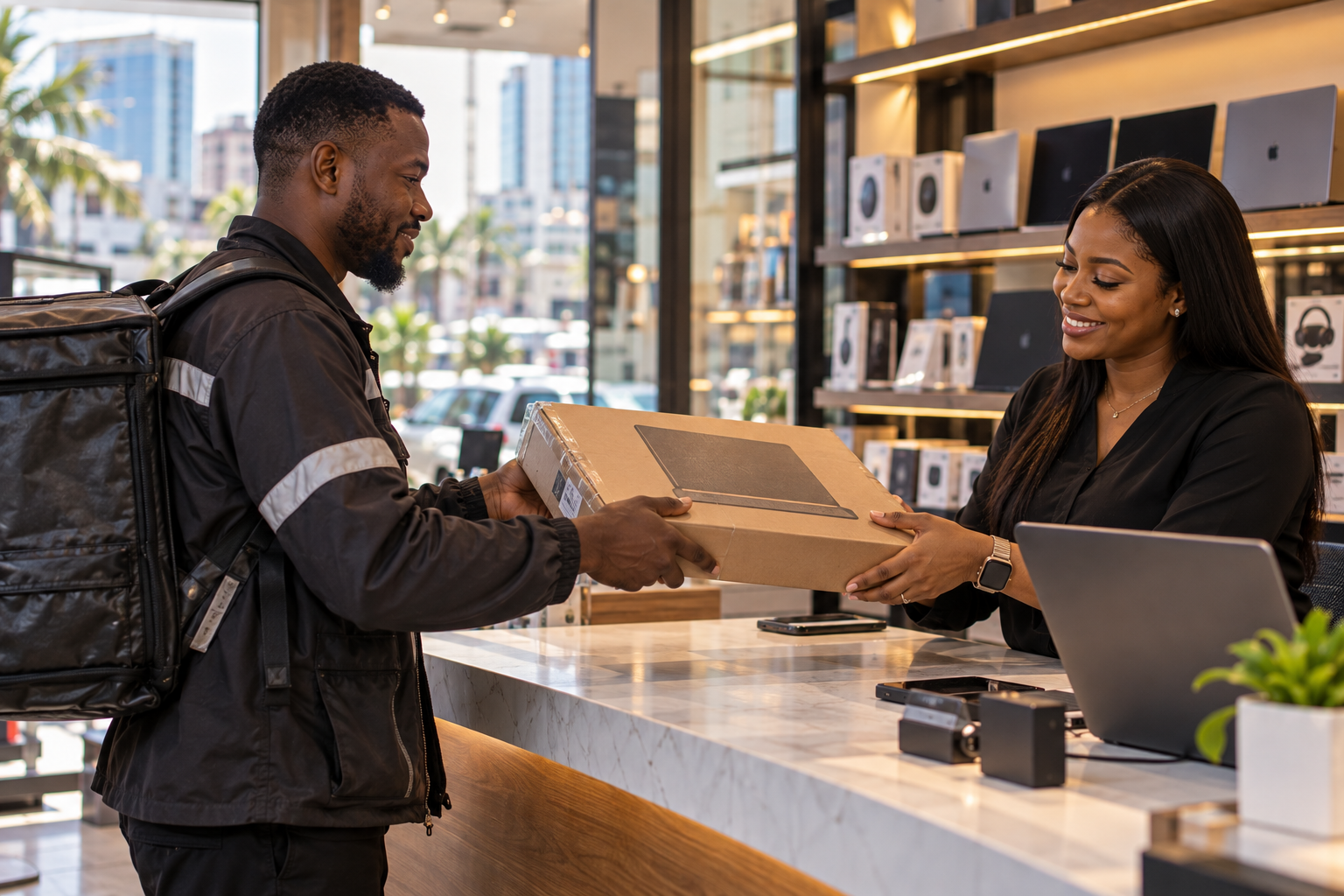
Get listed and become easier to find on GoSendAm.
The money in Lagos delivery is not in more jobs. It is in better clients.
