The Cheapest Dispatch Rider Can Cost You ₦420,000; A Lagos Dispatch Operator's Warning!
If you are a dispatch operator in Lagos, this is for you! Whilst i tell you about a dispatch operator, Emeka.
Emeka’s Parcel Leaves Computer Village
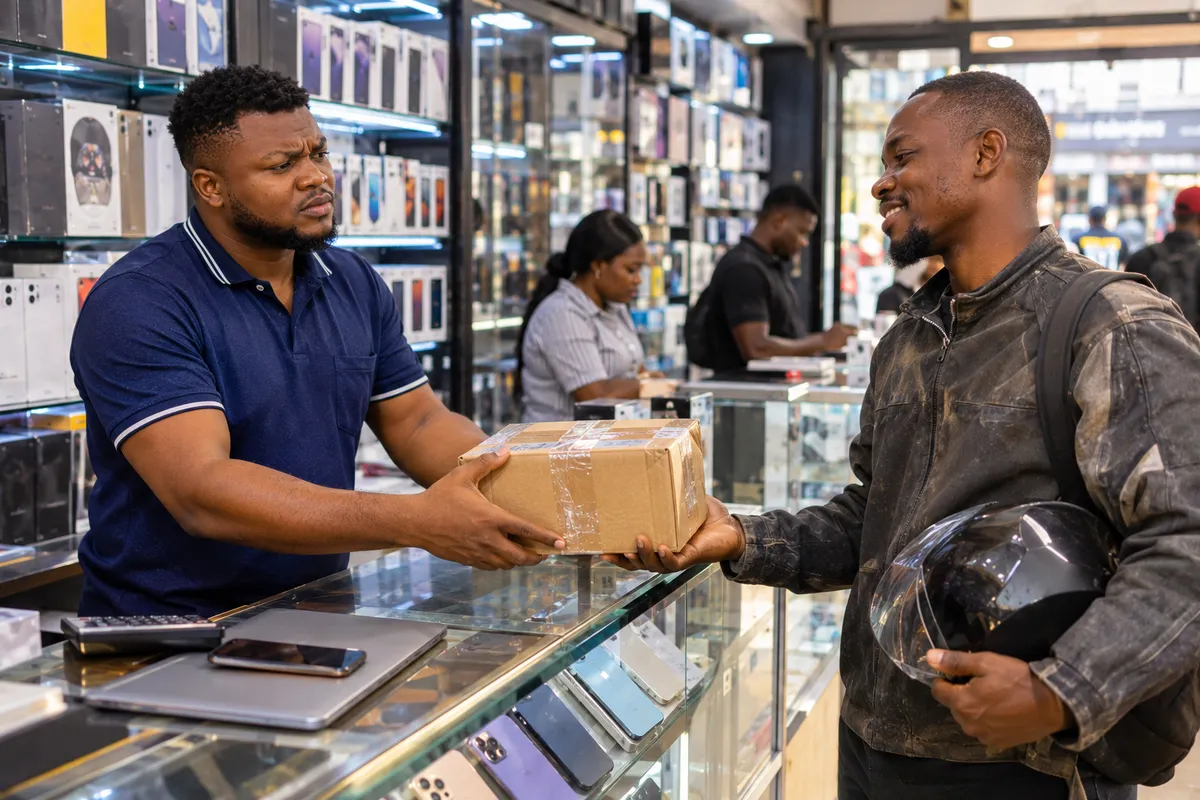
Emeka sells phones in Computer Village. One afternoon, a customer in Ajah paid ₦420,000 for two iPhones. Emeka’s usual dispatch guy is already on another run. He needs another option, and he needs it now. So he posts on his WhatsApp dispatch group.
Replies come quickly. One rider sends a friendly voice note. His profile photo shows him beside a bike. His quote is the cheapest in the group. Emeka agrees without thinking twice. The rider collects the parcel. Then he goes quiet hours later.
Emeka, already tensed from the absence of the rider, chatted on the group chat asking who knew the rider's, but to his surprise, the response he was getting was the opposite of what he expected to get. The group admin says, “We don’t know him like that, he just joined this group chat.”
The customer is angry as every customer would after and still waiting for a delivery that should have arrived hours ago but is still yet to arrive. He threatens Emeka that he was going to take the case to the police station and to repost it as fraud.
Emeka is confused and at the same time scared because not only is the item at stake but also his reputation that he has built for years. What does Emeka have to his name? A chat thread, a name that may not even be real, no pickup record, no tracking and no proof of what happened.
That low quote did not buy peace of mind. It only looked like it and at the later run cost him far more than what he was going to be gaining for that dispatch. A cheap delivery is not a saving if you cannot see where the parcel went.

The Illusion Of Convenience
Those group chats always feel like a clever shortcut. A quicker way to get the job done as soon as possible. Post the route. Get instant replies. Pick a price. No sign-up. No long forms which can be useful when you need a rider fast are quite alright, but speed and low cost are not security.
A profile photo is not proof of identity. A voice note is not a delivery history. And a rider saying “I’m close” does not tell you who is responsible if your parcel goes missing. The item may be cheap because there is no clear company behind it, no office to visit and no record of what happened at handover.
That does not mean every rider in a WhatsApp group is dishonest. It means you may be asked to trust someone you have not checked. For delivery for online vendors in Lagos, trust needs more than a friendly message. It needs records you can check.

The Cost Of The Problem
The price on the rider’s message is easy to see. The other costs come later. Emeka’s ₦420,000 sale is now in doubt. If he refunds the customer, he gives up the money from the sale. If he wants to replace the phones and keep the order, he may have to put another item’s worth of stock money into that customer’s delivery.
Then there is the time spent calling, messaging the group and answering an upset customer. The smaller costs add up, too. Imagine Emeka gives five later customers a ₦2,000 discount each to calm them after delivery delays. That is ₦10,000 in discounts, before counting extra trips or time spent chasing updates. This is a simple example, not an industry average.
That money could have helped pay for new stock, shop bills or another delivery. The delivery fee is only one part of the maths. Count the cost of the delivery that fails, not just the fee for the rider who accepts it.
The Accountability Gap
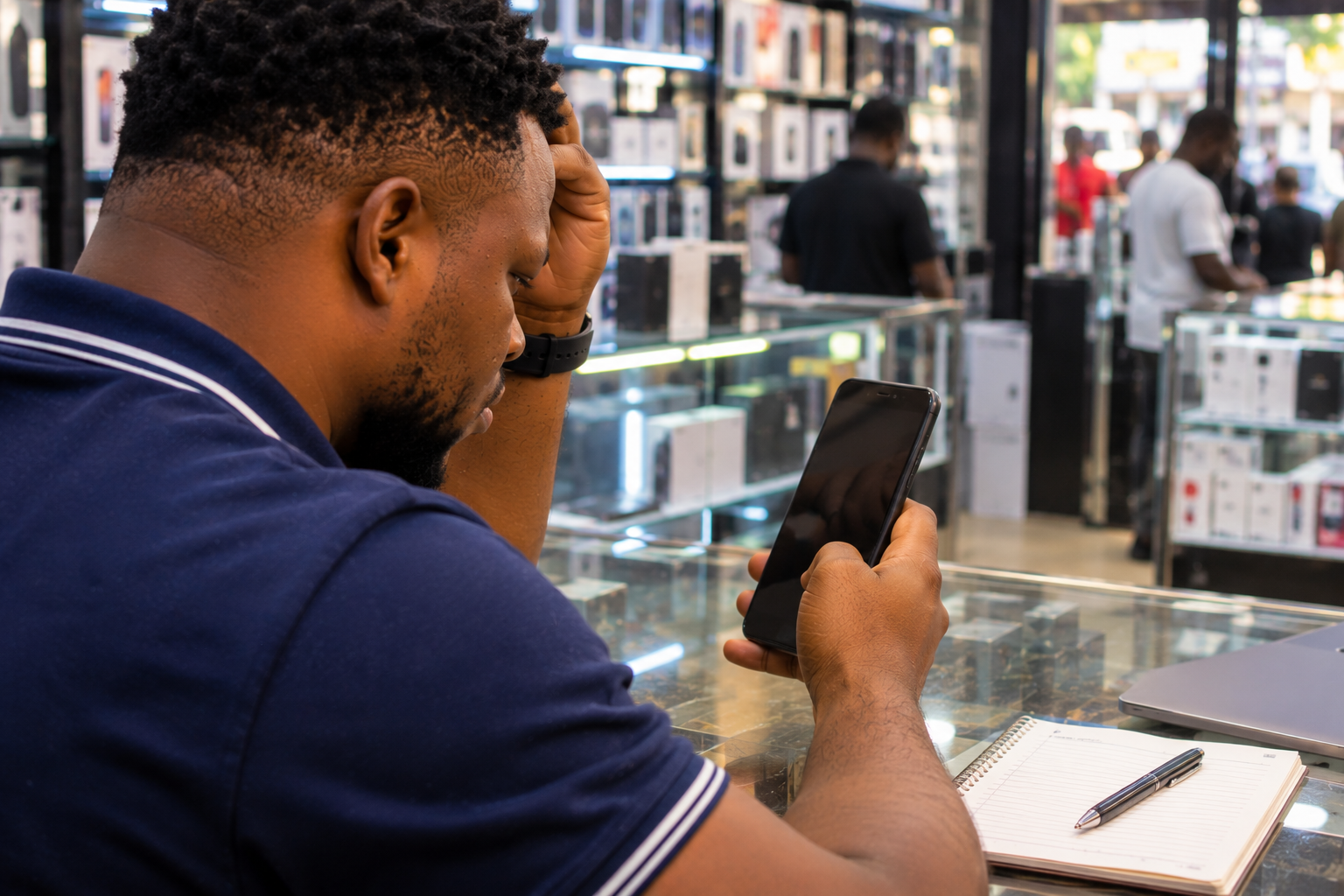
After the rider disappears, what can Emeka prove? He does not know the rider’s full name. He does not know whether there is a registered company behind the number. There is no physical office to visit, no delivery history to check and no clear person to contact when things go wrong.
He also does not have any photo of the parcel at pickup, no live tracking and no one-time password (OTP) from the customer to confirm delivery. If the rider blocks him, the chat is all that remains.
And the customer is likely to call Emeka, not the rider. The buyer paid Emeka. Emeka made the promise. So Emeka is left carrying the worry and the customer’s lost trust. This is the accountability gap: A parcel can be moved, but you don’t have any clear way to check who has it or if something has happened to it.

The Go SendAm Solution
Go SendAm connects Lagos vendors with verified same-day dispatch companies. It does not own the riders. Each dispatch company on the platform is checked against CAC registration, NIN, a physical office address and delivery history.
Go SendAm also connects vendors with verified dispatch operators around them and near the pickup point, so you can choose a real, accountable business nearby, not just a stranger who happens to be across the city.
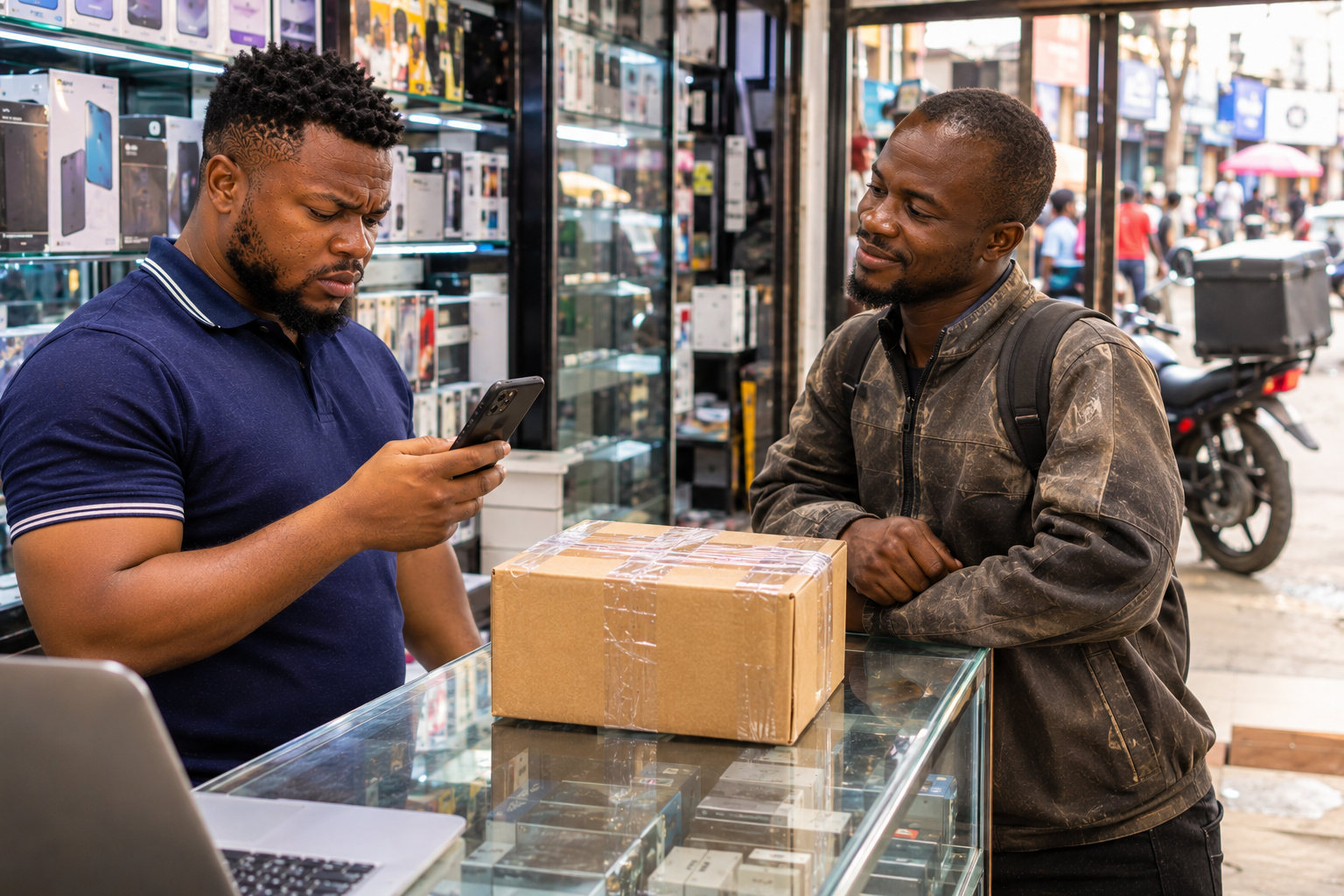
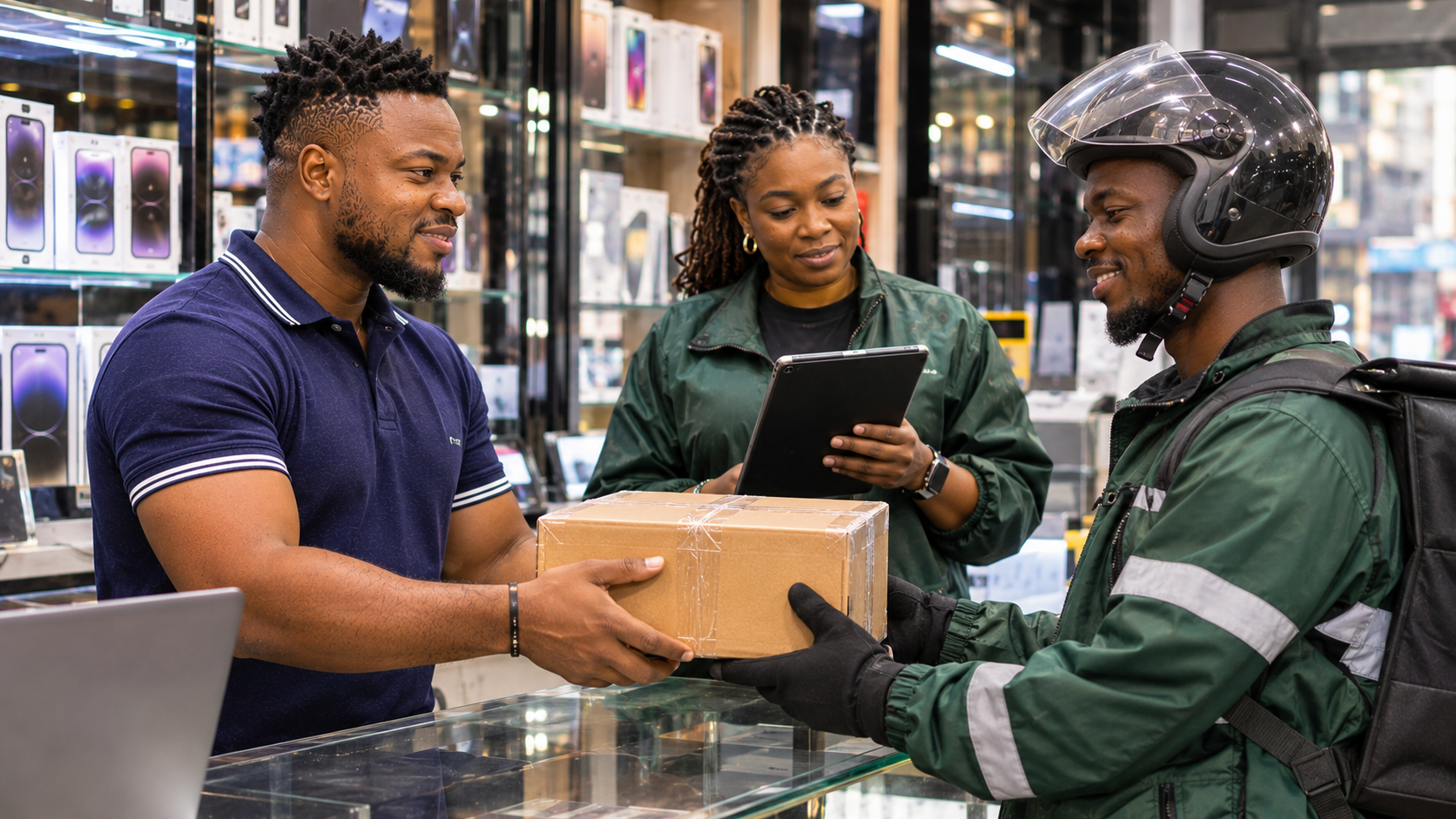
Before pickup, you bargain and lock the price. That gives both sides a clear agreement before the parcel moves. During delivery, the vendor and customer can track the order in real time. There is automatic photo proof at pickup and drop-off.
The recipient confirms delivery with an OTP. The job keeps permanent, timestamped records, so if a customer asks what happened, you have details to check instead of relying on memory. That does not make every delivery risk-free. It gives you a better record and a clearer line of accountability.
For vendors looking for a safe courier for electronics, or a computer village delivery service, those details matter. They also help when you need trackable delivery in Lagos, a same day delivery service in Lagos, or more secure shipping in Nigeria for phones, fashion, jewellery, pharma products and other valuable goods.
Vendors use Go SendAm completely free: no sign-up fee and no monthly plan. You agree on the delivery price with the dispatch company before pickup.
Quick Vendor Takeaway Checklist
Before handing over a valuable parcel, check:
Verified company: Do you know which dispatch company is responsible?
Physical office: Is there a real office address behind the company?
Locked price: Have both sides agreed on the price before pickup?
Tracking: Can you and your customer follow the delivery?
Photo proof: Will there be a photo at pickup and drop-off?
OTP: Will the recipient confirm they received the parcel?
Permanent record: Will the job have timestamps and delivery details?
If the rider disappears: Do you know which accountable business to contact?
If you cannot answer these questions, pause before you hand over the parcel. You do not need to choose the most expensive rider. You do need to know who has your parcel, what you agreed to pay and what proof you will have when it arrives. The cheapest rider is only cheap until he disappears. Then he is the most expensive partner you ever had.
