The Return-Rate Fix No Lagos Dispatch Operator Talks About

You are a dispatch operator in Lagos, and for every weekly profit calculation you do, the numbers keep decreasing as the weeks go by.
This article is for you and every Lagos dispatch operator who has ever looked at their return rate and assumed it was a customer problem or a vendor problem, when in reality it was a delivery problem the whole time.
By the end of this article, you will recognize five specific return scenarios that repeat in your business every single week, understand exactly why each one keeps happening, and know what actually closes the gap for good.
This blog was written just for you. Stay with me.
The Sunday Night Ledger Dread
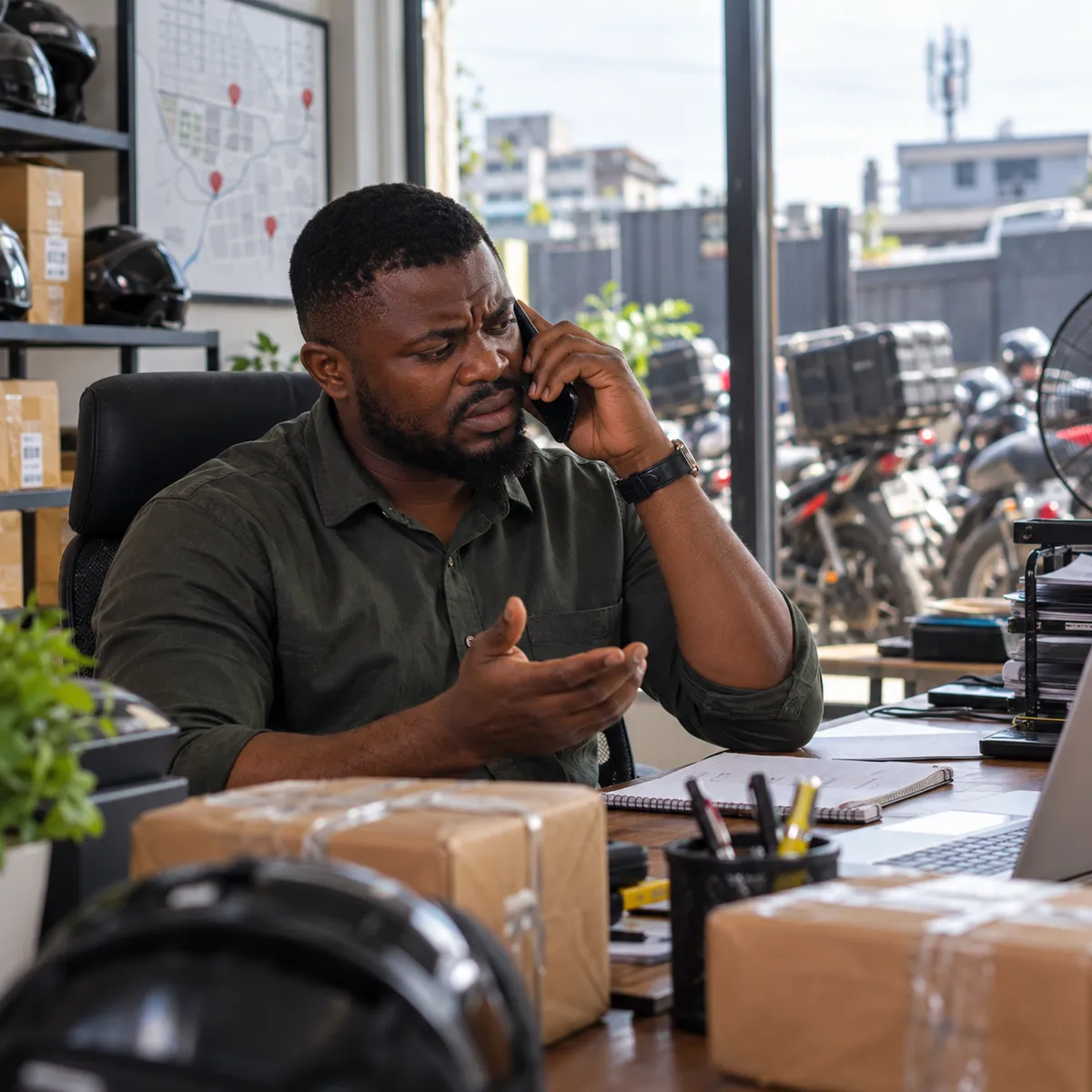
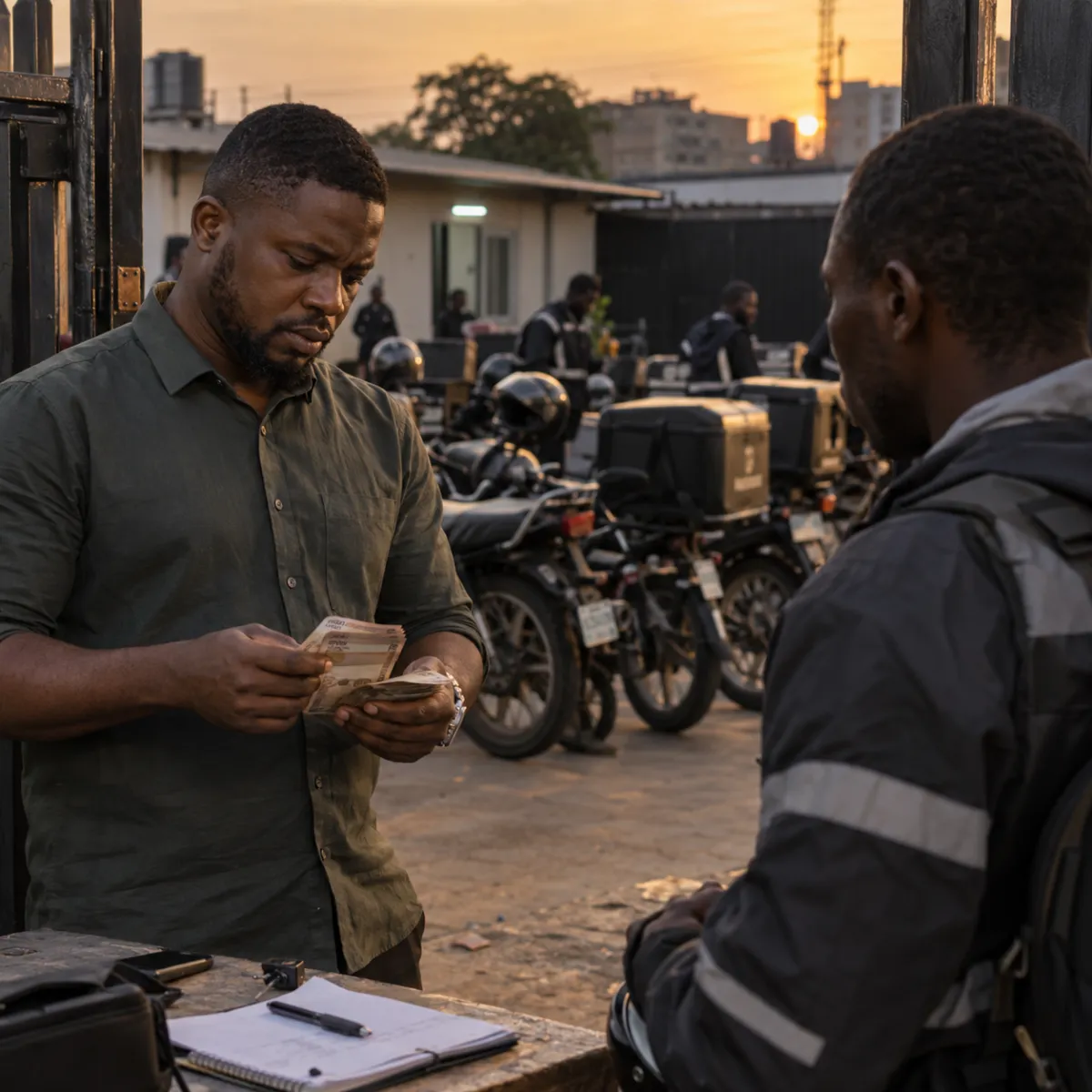
Precious is a well-known dispatch operator in Lagos, but somehow, in a way she cannot fully explain, whenever she checks her record book every Sunday night, the numbers she sees always bother her.
Every day for Precious is productive. Over 20 items are dispatched every single day across bustling commercial hubs. Why is the net number decreasing and not increasing? she asked herself that faithful Sunday evening.
After ten minutes of silent thought, she began to remember the operational breakdowns that happened that week: the friction that must have caused a quiet bleed in her numbers.
Returns. Not damaged items. Not wrong sizes. Orders that were paid for, packed, and sent out, that somehow still came back or ended in a dispute she had no way to fight.
Last month it was a customer in Yaba who swore her order never arrived, even though the rider confirmed the drop-off verbally. The month before, it was a customer in Ajah who refused a package at the door over a price disagreement nobody had settled in advance.
Precious used to think her return rate was just bad luck, difficult customers, or simply the brutal reality of running courier services in Lagos. Then she actually sat down and looked at what these returns had in common.
None of them were about her rider's integrity. All of them were about what happened during delivery.

The Brutal Math of Lagos Returns
Let’s talk numbers. According to recent e-commerce analytics, Nigeria's overall e-commerce return rate is projected at 8.5% in 2026 (StateGlobe), while package returns across the broader delivery sector run near 12% of gross shipments (Glostarep).
When you factor in that Lagos alone accounts for nearly 39.3% of all online orders in Nigeria (Glostarep), the volume of movement is staggering. But here is the killer statistic most operators ignore: the average cost of a single returned item is about ₦12,500 once you factor in reverse logistics, wasted fuel, administrative time, and damaged inventory (StateGlobe).
When you lose three or four packages a week to avoidable delivery friction, you aren't just losing a delivery fee. You are bleeding profit.

Five Delivery Scenarios Destroying Your Margins
Scenario 1: The "I Never Got It" Claim
This is the one that catches dispatch operators like Precious off guard the most.
A customer messages hours after their delivery time, insisting the package never arrived. There is no photo, no timestamp, no rider confirmation to check the claim against.
She cannot prove the customer wrong, so a refund gets issued, or the order gets resent at her own cost, just to keep the peace, protect her company's name, and preserve the relationship between herself, the vendor, and the end customer.
Why it happens: There is no proof of delivery in the first place. Without a photo or a timestamp tied to the actual handoff, every non-delivery claim becomes the rider's word against the customer's, and the operator is always the one with more to lose in that argument.

Scenario 2: The Wrong-Address Delivery
Picture a rider navigating chaotic traffic, delivering to the wrong house, dropping a package with a neighbor, or leaving it at a gate that is not the customer's own. The customer never sees it.
From where they are standing, the order genuinely never arrived, and they are right to say so, even though the rider technically completed a delivery somewhere on that street.
Why it happens: This is a common hazard when relying on casual dispatch riders in lagos without robust infrastructure. Without trackable delivery lagos tools, there is no real-time visibility to catch the mistake while it is still happening. If the customer and vendor could see the rider's location and progress as the delivery unfolds, a wrong turn gets noticed and corrected before the package ends up in the wrong hands.

Scenario 3: The Late Delivery Refund Demand
An order arrives 6 hours later than expected. Nothing about the product is wrong. Nothing is damaged. But the customer is already furious by the time it shows up, and they demand a refund anyway, because as far as they knew, the order had simply failed to show up at all.
Why it happens: The customer has no visibility into where their order actually is while they wait. When managing delivery for online vendors lagos, a delay without communication does not read as traffic congestion. It reads as a scam. A customer who feels ignored during the wait is far more likely to reject the package the moment it finally lands.

Scenario 4: The Price Dispute at the Door
The rider arrives, and the price the customer expects does not match the price the rider is asking for: perhaps due to a miscommunication on delivery fees or item additions. The customer refuses to pay. The rider refuses to hand over the package.
The delivery is rejected on the spot, and it comes back logged as a return, even though nothing was physically wrong with the product itself.
Why it happens: The price was never locked before the rider left. When utilizing standard same day delivery service lagos platforms without pre-agreed pricing structures, every delivery carries the risk of a last-minute disagreement at the doorstep.

Scenario 5: The Silent No-Show
Sometimes the rider never actually attempts the delivery at all. Maybe the job felt inconvenient or too far across town.
Instead of returning the package or explaining what happened, the rider marks the job as delivered or unreachable and simply moves on. The customer never sees the package. The vendor only finds out when a confused buyer reaches out hours later.
Why it happens: A complete lack of accountability. When logistics companies in Lagos operate without vetted personnel or oversight, riders cut corners with zero consequences.

The Root Cause: Why Delivery Is Treated Like Luck
All five of these scenarios trace back to the same four operational gaps:
No real-time tracking
No verified proof of delivery
No locked pricing before dispatch
No accountability for what the rider actually does on the job
None of these are merchandising problems. They are delivery problems. Yet, because traditional courier services in Lagos treat transport as an afterthought, these failures get lumped into your store's return rate.
If you are running a computer village delivery service or shipping delicate items, you cannot afford to treat logistics like a game of chance. You need secure shipping nigeria standards and verified dispatch riders who treat every package like high-value cargo.

Closing the Gap: The Go SendAm Operational Framework
Fixing your return rate doesn't require crossing your fingers and hoping for better customers. It requires replacing chaos with structure.
This is precisely why forward-thinking operators and merchants partner with GoSendAm.
Real-Time Tracking: Customers and vendors track deliveries live on every trip. A late delivery reads as traffic progresses on a map, not a ghosted order.
Locked Pricing: Every job has a confirmed price locked before the rider moves. No door-step arguments, no surprise fees.
Foolproof Proof of Delivery: Every delivery requires automated photo proof at pickup and drop-off, coupled with recipient OTP confirmation. When someone claims "I never got it," the timestamped digital record settles the dispute instantly.
Vetted Carrier Network: Every single dispatch company and rider on GoSendAm is vetted against CAC, NIN, and physical office verification. No silent no-shows, no unaccountable riders.
This operational upgrade won't touch every single return: if a customer genuinely changes their mind about a fashion item's color, that's retail. But GoSendAm completely eliminates the entire category of artificial returns caused by delivery failures: saving operators like Precious thousands of Naira every single week for problems their business never actually had.

Quick Vendor & Operator Takeaway Checklist
Save this reference card to your phone or share it with your team on WhatsApp:
Verify Your Carriers: Never hand high-value goods (phones, laptops, fashion, pharma) to unverified random riders. Insist on CAC and NIN-verified personnel.
Lock Prices in Advance: Never dispatch without a pre-agreed fee to eliminate doorstep haggling and instant rejections.
Demand OTP & Photo Proof: Ensure every drop-off is secured with a recipient OTP and timestamped photo verification.
Insist on Live Tracking: Give both your store and your customer real-time visibility to eliminate anxiety and "lost order" panic.
Protect Your Margins: Stop eating the ₦12,500 average cost of avoidable transit failures. Switch to GoSendAm for safe courier for electronics and high-value merchandise.

Lagos dispatch operator checklist for reducing delivery return rate
Want to dive deeper into protecting your Lagos business from logistics headaches?

👉 Click here to start shipping stress-free with GoSendAm